New Jersey utility regulators have released a proposal to procure 150 megawatts of behind-the-meter energy storage, aiming to aggregate residential and commercial batteries into functioning virtual power plants (VPPs). Under the preliminary framework presented by the New Jersey Board of Public Utilities (BPU), battery owners could receive performance-based compensation reaching up to $200 per kilowatt annually for providing capacity and exporting power during critical grid events.
The initiative targets growing summer peaking constraints while attempting to improve the economics of distributed home electrification. For a standard 5 kW / 13.5 kWh residential battery, maximum program payouts could reach $1,000 per year, though actual earnings will depend on dispatch frequency, enrollment terms, and retail rate structures. The procurement seeks to secure grid services directly from distributed assets rather than relying entirely on conventional peaker plants.
Shifting Economics for Electrified Households
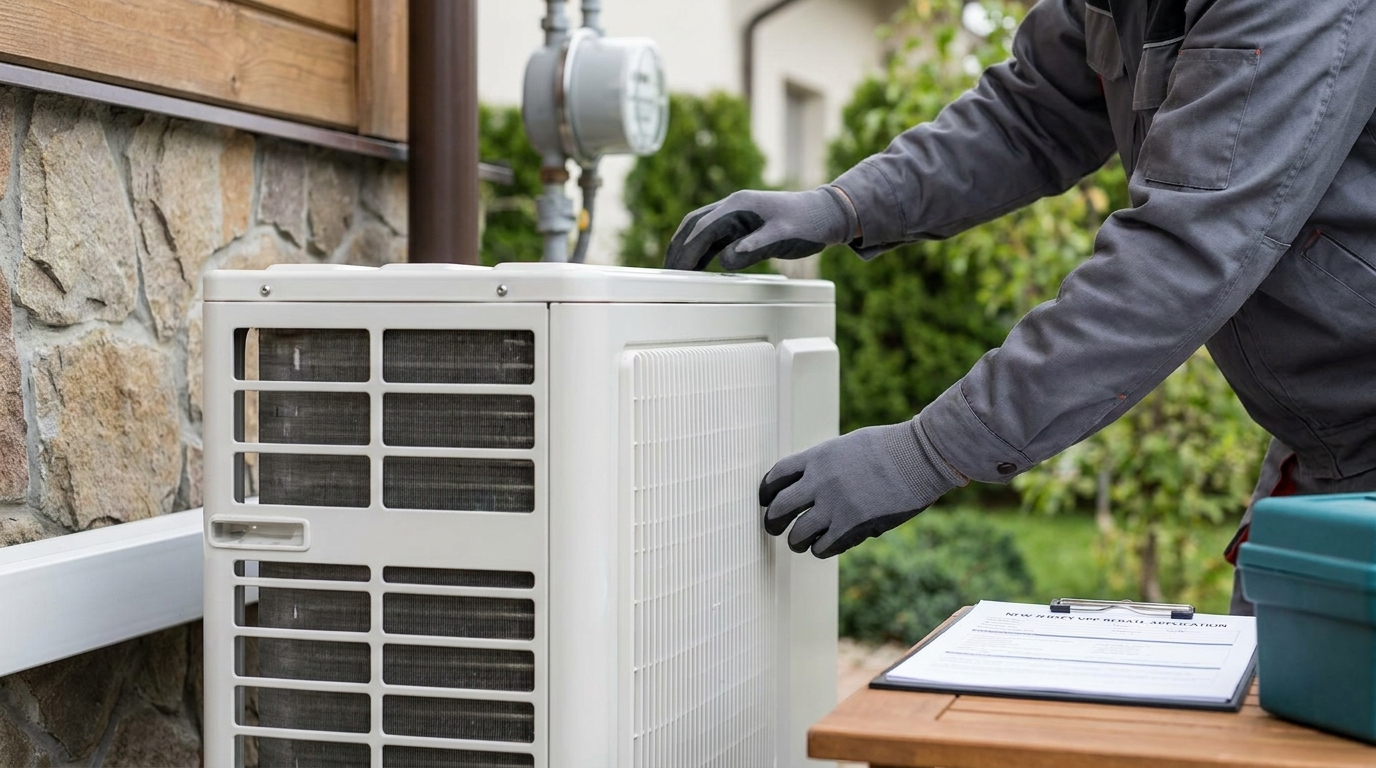
For households pairing storage with whole-home heat pumps, revenue from distributed energy programs directly shortens capital recovery timelines. In territories like Edison 08820, served by Public Service Electric and Gas (PSE&G), the baseline electrification profile currently registers as WORTH A LOOK with a 6.9-year payback. Adding an explicit revenue mechanism for battery storage could improve project returns for homes with higher winter electric demand and existing rooftop solar.
However, regulators must still finalize several program parameters before procurement begins. The BPU's draft structure is subject to public comment, with decisions pending on dispatch limits, baseline degradation protections, and program integration alongside existing utility smart-inverter rules. Regulators expect to refine the operational guidelines before opening the formal solicitation rounds.