M-Series Hyper-Heat (MSZ-FS)
Summary
If you're in a cold climate and need serious heating performance from a ductless mini-split, the Mitsubishi M-Series Hyper-Heat (MSZ-FS) is your benchmark. This unit is NEEP ccASHP certified and will deliver heat down to -13°F, making it a top contender for primary heating in zones 5-7. It boasts an impressive HSPF2 range of 10.8–11.5 and SEER2 20–26.1, meaning efficient operation across the board. While its cold-weather chops are undeniable, the main watch-out is its premium price tag, typically $3,500–$6,500 installed, and the risk of oversizing for milder climates if not properly sized via a Manual J calculation.
Who it's for
This unit is ideal for a 1,200 sqft primary living space in a zone 5A home, perhaps a converted garage or an addition, where extending existing ductwork is impractical. Its robust -13°F minimum operating temperature ensures reliable heat even during deep freezes, making it a strong candidate to replace a supplemental electric resistance heater. Consider the MSZ-FS for a 1,800 sqft older home in zone 6B with a failing oil furnace. Installing one or two of these ductless heads can provide efficient, primary heating for key areas, significantly cutting fuel costs while maintaining comfort through the coldest months, especially given its high HSPF2. It’s also a smart choice for a 1,000 sqft cabin in zone 7, used year-round, where a single, high-performance unit needs to handle both heating and cooling. The M-Series Hyper-Heat’s capacity range of 0.75–2 tons offers flexibility to match different space requirements, ensuring comfort without over-complicating the system.
Real-world performance
The Mitsubishi M-Series Hyper-Heat's HSPF2 of 10.8–11.5 and SEER2 of 20–26.1 translate to tangible energy savings. In a zone 5-7 home, you can expect significantly lower annual heating and cooling costs compared to a baseline 90% AFUE gas furnace and SEER 14 AC. For instance, in a typical winter, this unit could reduce your heating energy consumption by 30-50% over a gas furnace, depending on fuel prices and local climate severity. Its standout feature is its ability to maintain substantial heating output down to its -13°F minimum operating temperature. This means in zones like 5, 6, and even parts of 7, the MSZ-FS can often serve as the sole heating source, eliminating the need for auxiliary heat in all but the most extreme conditions. Unlike many standard heat pumps that see a steep drop-off in capacity below 20°F, the Hyper-Heat technology ensures consistent warmth. For cooling, its high SEER2 means efficient operation even during hot, humid summers, providing comfortable dehumidification without racking up high electricity bills.
Installation notes
Installing a ductless mini-split like the MSZ-FS involves running refrigerant lines, electrical wiring, and a condensate drain from the outdoor unit to each indoor head. Line-set lengths are critical; exceeding manufacturer-specified maximums can degrade performance. Indoor head placement is key for even air distribution and aesthetics – avoid placing directly above frequently used seating areas if drafts are a concern. Outdoor units require specific clearances for airflow, typically 6-12 inches from walls and other obstructions, and should be mounted on a sturdy pad or wall bracket to minimize vibration and noise. Permit requirements vary by municipality but generally, HVAC replacements or new installations require a permit. Expect an electrical permit for the new circuit and potentially a mechanical permit. A licensed HVAC contractor is essential for proper installation, ensuring refrigerant charging is correct and all connections are sealed. First-time buyers are often surprised by the visual impact of the indoor head and the conduit covering the line set, so discuss placement and concealment options with your installer.
Maintenance & warranty
Annual maintenance for the Mitsubishi M-Series Hyper-Heat is straightforward but crucial. Expect to pay $150-$300 for a professional service check, which includes cleaning coils, checking refrigerant levels, and inspecting electrical connections. Homeowners should clean the indoor unit's filters monthly or bi-monthly, depending on usage and dust levels – these are typically washable and easily accessible. Neglecting filter cleaning will restrict airflow, reduce efficiency, and can lead to coil freeze-ups. The standard warranty typically covers parts for 5 years and the compressor for 7 years, extending to 10 years for both if registered with Mitsubishi within 90 days of installation by a qualified contractor. Failure to register, lack of documented annual professional maintenance, or improper installation by an unauthorized party can void the warranty. Ensure your installer is a Mitsubishi Electric Diamond Contractor for the best warranty coverage and service.
Common complaints
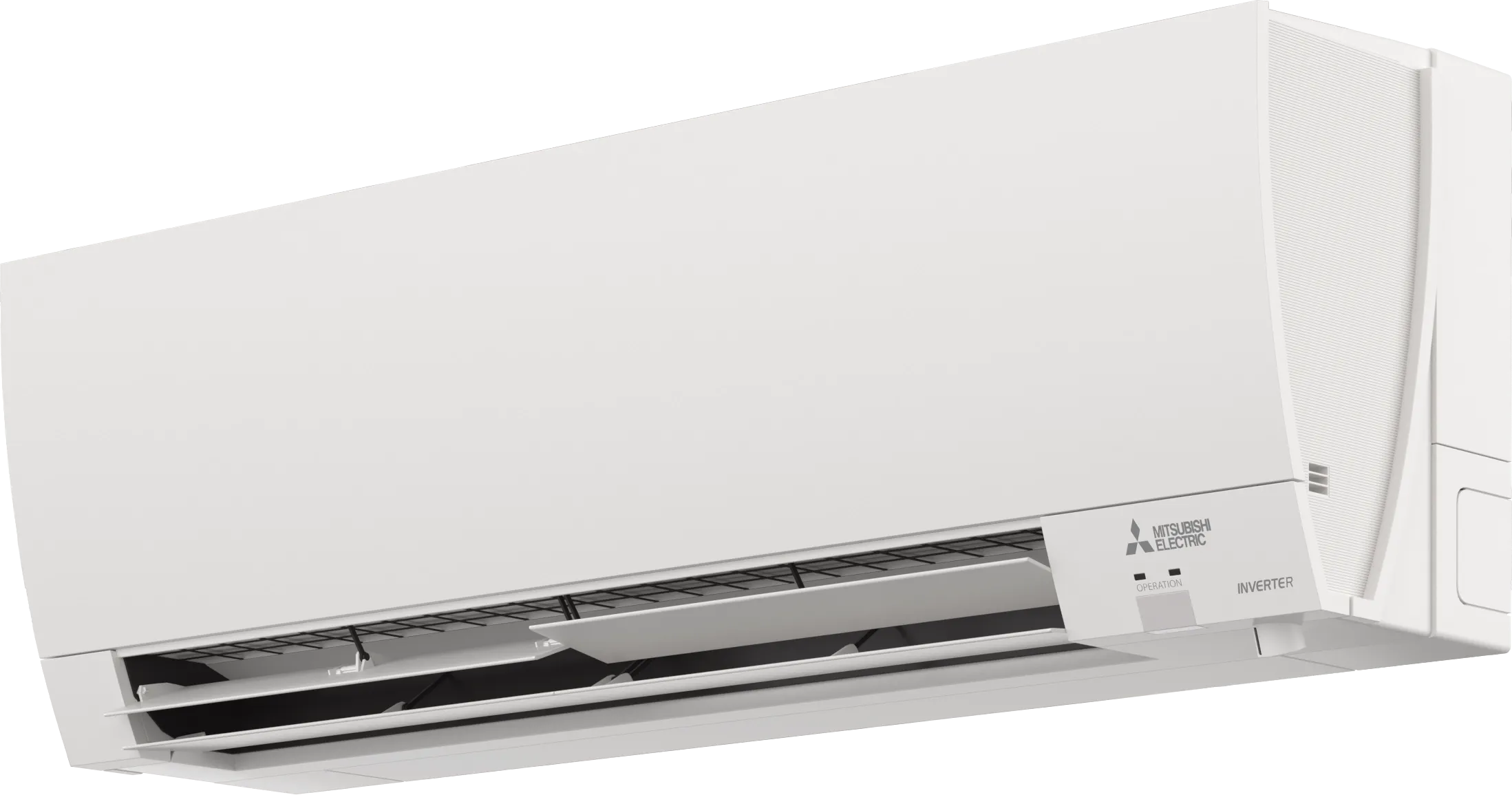
Owners of the Mitsubishi M-Series Hyper-Heat occasionally grumble about the indoor unit's aesthetics, finding it a bit bulky compared to some sleeker designs, especially in prominent living spaces. Noise during defrost cycles can be a minor annoyance for some, though it's generally within acceptable limits for a heat pump. Another common point of contention is the premium price point; while acknowledged for its performance, the initial investment is higher than many competitors, leading some to question the long-term ROI, especially if local energy prices are low. Lastly, some online reviews mention variability in dealer responsiveness and installation quality, underscoring the importance of vetting your HVAC contractor carefully, as this can significantly impact the overall experience.
Price context
With an installed price range of $3,500–$6,500, the Mitsubishi M-Series Hyper-Heat (MSZ-FS) sits at the higher end for a single-zone ductless mini-split. This is generally comparable to other top-tier cold-climate certified units like the Fujitsu Halcyon XLTH or Daikin Aurora, which offer similar low-temperature performance. It's notably more expensive than entry-level mini-splits or standard efficiency central AC replacements. The IRA §25C tax credit currently offers a 30% credit up to $2,000 for qualifying heat pumps, which this unit is eligible for, helping to offset the cost. Additionally, high-efficiency heat pumps like the MSZ-FS are typically listed as eligible equipment for HEEHRA income-qualified rebate programs, potentially providing significant upfront savings depending on household income and state/local program availability.
FAQ
- How does the MSZ-FS handle extreme cold compared to other heat pumps?
- The MSZ-FS is part of Mitsubishi's Hyper-Heat line, specifically designed for cold climates. Its NEEP ccASHP certification means it's tested to maintain a high percentage of its heating capacity at very low temperatures. It's rated to operate down to -13°F, which is a significant advantage over standard heat pumps that often struggle below 20°F and rely heavily on auxiliary heat. This makes it a reliable primary heating source in cold climate zones like 5, 6, and 7.
- Is the MSZ-FS suitable for homes in milder climate zones, like 4A?
- While the MSZ-FS is climate zone fit for 4A to 7, its hyper-heat capabilities are often overkill for milder zones. Its premium price is largely due to its robust cold-weather performance. For zone 4A, you might find a less expensive, standard mini-split adequate, as the extreme low-temperature heating won't be utilized as frequently. Always get a Manual J load calculation; oversizing this unit for a mild climate can lead to short-cycling and reduced dehumidification.
- What do the HSPF2 10.8–11.5 and SEER2 20–26.1 ratings mean for my utility bills?
- These are efficiency ratings under new testing standards. HSPF2 (Heating Seasonal Performance Factor 2) of 10.8–11.5 indicates excellent heating efficiency over a typical heating season. SEER2 (Seasonal Energy Efficiency Ratio 2) of 20–26.1 signifies very high cooling efficiency. Combined, these ratings mean the MSZ-FS uses significantly less electricity to heat and cool your home compared to older systems, directly translating to lower monthly utility bills, especially in climates with distinct heating and cooling seasons.
- What is the refrigerant transition from R410A to R32 and how does it affect the MSZ-FS?
- The HVAC industry is phasing out R410A due to its high Global Warming Potential (GWP) in favor of lower-GWP refrigerants like R32. Mitsubishi is transitioning the M-Series Hyper-Heat (MSZ-FS) to R32. This means newer units will use R32, which is more environmentally friendly and slightly more efficient. For consumers, it primarily impacts future servicing; R32 units require specific tools and training, but R410A parts and service will remain available for existing units for many years.
Often compared with
- Fujitsu Halcyon XLTH
- Daikin Aurora
- LG RED Series