Aurora
Summary
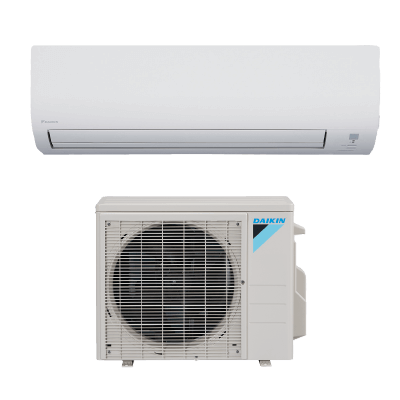
The Daikin Aurora is a solid choice if you're looking to future-proof your home's heating and cooling. This ductless mini-split stands out with its R32 refrigerant, a lower Global Warming Potential (GWP) option that's ahead of the curve for the 2025 AIM Act phase-down. It's built for cold climates, certified down to -13°F, making it suitable for Climate Zones 4A to 7. With an HSPF2 range of 10–11.2 and SEER2 18.5–24.5, it offers strong efficiency. The Aurora's capacity ranges from 0.75 to 2 tons, fitting various room sizes. The main thing to watch out for is ensuring your installer is certified for R32, as it requires slightly different brazing protocols than older refrigerants.
Who it's for
This unit is ideal for a 1,200 sqft cape-style home in Climate Zone 5B, where an aging oil furnace struggles to keep up and central ductwork isn't feasible. The Aurora's cold-climate performance down to -13°F means reliable heat even on the coldest days, and the ductless nature simplifies installation. It's also a strong contender for a 700 sqft detached garage or workshop in Climate Zone 6A that needs year-round comfort without extending existing home HVAC. The smaller capacity units within the 0.75–2 ton range can efficiently handle such spaces. Finally, consider the Aurora for a three-season porch conversion into a year-round living space in Climate Zone 4A, especially if you're looking to add efficient heating and cooling without major renovations or ductwork.
Real-world performance
The Daikin Aurora's HSPF2 of 10–11.2 and SEER2 of 18.5–24.5 translate into significant energy savings compared to older systems. In Climate Zones 4A to 7, where it's rated, you can expect substantially lower energy bills. For a typical home replacing a 90% AFUE gas furnace and a SEER 14 AC, the Aurora could cut heating costs by 30-50% and cooling costs by 20-40%, depending on electricity rates and specific usage. Its minimum operating temperature of -13°F means it will continue to provide heat effectively even in very cold conditions without relying on auxiliary electric resistance heat. While it maintains strong output at extremely low temperatures, like any heat pump, its efficiency will dip slightly as temperatures approach its minimum. However, it's designed to provide ample heat without needing backup until those extreme lows, unlike many standard heat pumps that start losing significant capacity around 20°F.
Installation notes
Installing a ductless mini-split like the Daikin Aurora involves a few key considerations. The line-set, which carries refrigerant and electrical wiring, needs to run between the indoor head and outdoor unit. While standard lengths are common, longer runs are possible but may require specific sizing and additional refrigerant charge. Indoor head placement is crucial for optimal air distribution and aesthetics; factor in furniture, wall space, and proximity to electrical outlets. The outdoor unit requires adequate clearance for airflow, typically 6-12 inches from walls or obstructions, and should be placed on a level pad or wall bracket. Permitting is almost always required for HVAC system replacements or new installations, so ensure your installer handles this. The use of R32 refrigerant means the installer must be certified and follow specific brazing protocols, which differ slightly from R410A.
Maintenance & warranty
Annual maintenance for the Daikin Aurora typically costs $150-$300 and includes cleaning coils, checking refrigerant levels, inspecting electrical connections, and ensuring proper drainage. Homeowners should clean or replace the indoor unit's filters every 1-3 months, depending on usage and air quality. Regular coil cleaning is essential for maintaining efficiency. A sudden drop in performance or a hissing sound can indicate a refrigerant leak, requiring immediate professional attention. The standard warranty for Daikin typically covers parts for 10-12 years and the compressor for 12 years, provided the unit is registered within 60-90 days of installation. Failure to register, lack of documented annual professional maintenance, or unauthorized repairs can void the warranty.
Common complaints
Owners of the Daikin Aurora, and mini-splits in general, sometimes report minor issues. Noise can be a factor, particularly the outdoor unit during defrost cycles or at high fan speeds, though generally, Daikin units are considered quiet. Some users find the aesthetics of the indoor head units less appealing than ducted systems, especially when multiple heads are needed. Defrost cycle frequency and duration can occasionally be a point of contention in very humid, cold conditions. Dealer responsiveness and the availability of R32-certified technicians can vary by region, which is a watch-out for unique refrigerants. Remote control functionality and display readability are also occasional, minor grumbles.
Price context
The typical installed price for the Daikin Aurora, ranging from $3,400 to $6,200, places it competitively within the premium cold-climate mini-split market. This is comparable to units like the Fujitsu Halcyon XLTH or Mitsubishi Hyper-Heating, which offer similar cold-climate performance and efficiency. For context, a basic non-cold-climate mini-split might start around $2,800 installed, while a full ducted heat pump system could easily exceed $8,000. The IRA Section 25C tax credit can cover 30% of the cost, up to $2,000, for qualifying heat pumps like the Aurora, significantly reducing the out-of-pocket expense. HEEHRA income-qualified programs often include NEEP ccASHP listed units, making the Aurora a strong candidate for rebates, depending on local program specifics.
FAQ
- What makes the Daikin Aurora's R32 refrigerant different from R410A?
- R32 refrigerant has a Global Warming Potential (GWP) that is significantly lower than R410A, making it more environmentally friendly. This aligns with the 2025 AIM Act phase-down of higher GWP refrigerants. While R32 is more efficient, it is also mildly flammable, requiring specific handling and installation protocols. This means your installer must be certified and experienced with R32 to ensure a safe and proper installation, including slightly different line-set brazing techniques.
- How does the Aurora's -13°F minimum operating temperature benefit me in Climate Zone 6?
- In Climate Zone 6, winter temperatures can frequently drop well below freezing, and occasionally into single digits or even below zero. The Daikin Aurora's ability to operate down to -13°F means it will continue to provide effective heating without needing to switch to less efficient auxiliary electric resistance heat. This ensures consistent comfort and lower energy bills even on the coldest days, maximizing the HSPF2 efficiency rating of 10–11.2 throughout the heating season.
- Can the Daikin Aurora replace my entire heating and cooling system?
- Yes, for many homes, especially those without existing ductwork, the Daikin Aurora can serve as the sole heating and cooling system. With its capacity range of 0.75–2 tons and strong cold-climate performance, multiple indoor units can be strategically placed to cover an entire home in Climate Zones 4A to 7. Proper sizing by a certified HVAC professional is crucial to ensure adequate heating and cooling for all conditioned spaces, particularly at its minimum operating temperature of -13°F.
- What is the typical lifespan of a Daikin Aurora mini-split?
- With proper installation and regular annual maintenance, a Daikin Aurora mini-split system can typically last 15 to 20 years. Factors influencing lifespan include climate severity, usage patterns, and adherence to maintenance schedules. The inverter-driven technology and quality components contribute to its durability. Ensuring all warranty requirements, such as registration and documented annual service, are met will also protect your investment over the long term.
Often compared with
- Fujitsu Halcyon XLTH
- Mitsubishi Hyper-Heating
- LG Red