Halcyon XLTH
Summary
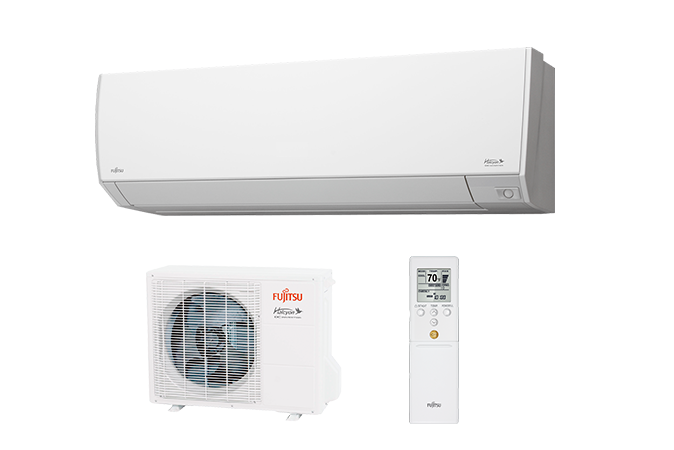
The Fujitsu Halcyon XLTH is a solid choice for homeowners in colder climates looking to upgrade their heating and cooling. This ductless mini-split shines in its cold-climate performance, boasting an impressive HSPF2 of 10.2–11, making it highly efficient even when temperatures drop. It's particularly well-suited for retrofits in the Northeast, offering a compelling balance of performance and value. The Halcyon XLTH provides reliable heating down to -15°F, ensuring comfort through harsh winters. While its price point of $3 200–$5 800 (installed) is attractive, be aware that the defrost cycle can be noticeably louder than some competitors, which might be a consideration for bedroom-adjacent installations.
Who it's for
This unit is ideal for a 1,200 sqft home in Climate Zone 5A, like a New England cape, where the homeowner is looking to replace an aging oil furnace and add efficient air conditioning without installing new ductwork. Its strong cold-climate certification and minimum operating temperature of -15°F mean it can handle those chilly winters as a primary heat source. It's also a great fit for a 900 sqft finished basement apartment in Climate Zone 4A that needs independent climate control. The compact nature of a ductless mini-split simplifies installation, and the Halcyon XLTH's capacity range of 0.75–1.5 tons is perfect for smaller, targeted zones. Consider the Halcyon XLTH for a single-zone addition or sunroom in Climate Zone 7 that needs supplemental heating and cooling. If you're building a new extension and want to avoid extending your existing central HVAC, this unit offers a cost-effective and highly efficient solution, leveraging its high SEER2 of 20–25 for excellent summer cooling.
Real-world performance
The Fujitsu Halcyon XLTH's HSPF2 of 10.2–11 and SEER2 of 20–25 translate directly into significant energy savings for homeowners in Climate Zones 4A to 7. Compared to a baseline of a 90% AFUE gas furnace and a SEER 14 AC, you can expect to see a 30-50% reduction in annual heating costs, depending on your specific climate and electricity rates. For cooling, the high SEER2 means very efficient operation, especially during peak summer months, potentially cutting AC costs by 40-60% versus older, less efficient units. This unit's ability to operate down to -15°F means it holds its rated heating capacity well into severe cold snaps. In most of its target climate zones, it can function as the sole heating source for the majority of the winter. Only in the most extreme, prolonged cold spells, or if sized conservatively, might you need a small amount of supplemental heat. The inverter-driven compressor precisely matches output to demand, avoiding the on/off cycling of older systems, which contributes to both comfort and efficiency.
Installation notes
Installing the Fujitsu Halcyon XLTH, like any ductless mini-split, requires careful planning for both the indoor head and outdoor condenser. Line-set length is a key consideration; while these units offer flexibility, excessively long runs can impact performance and require additional refrigerant charge. Indoor heads need to be placed to maximize air circulation without creating drafts, typically high on a wall. For bedrooms, consider placement away from the immediate sleeping area to minimize perceived noise. The outdoor unit needs adequate clearance for airflow, typically at least 12-24 inches from walls or obstructions. Ensure it's mounted on a level pad or wall bracket to minimize vibration. Drainage for condensate is crucial, both from the indoor unit (which typically runs to a nearby drain or outside) and the outdoor unit during defrost cycles. Permitting is almost always required for heat pump installations; expect your installer to handle this, but verify they secure all necessary local permits before work begins. Don't be surprised by the electrical upgrade some installations require, as these units need a dedicated circuit.
Maintenance & warranty
Annual maintenance for the Fujitsu Halcyon XLTH is straightforward and typically costs $150-$300, depending on your service provider. This usually includes cleaning the indoor coil and filters, checking refrigerant levels, inspecting electrical connections, and clearing the condensate drain line. Homeowners should clean or replace the washable indoor filters every 2-4 weeks during peak use, which is a simple DIY task. Keeping the outdoor coil clear of debris is also important for efficiency. The standard warranty for Fujitsu Halcyon XLTH units is typically 10 years on the compressor and 10 years on parts, provided the unit is registered with Fujitsu within 60-90 days of installation. Common pitfalls that void warranties include unregistered installation, failure to maintain an annual service log by a qualified HVAC technician, or any unauthorized modifications to the system. Always keep records of your annual service appointments.
Common complaints
Owners of the Fujitsu Halcyon XLTH generally appreciate its heating performance, but a recurring complaint centers on the noise level during the defrost cycle. While not constant, some users find it noticeably louder than other brands, which can be disruptive, especially if the outdoor unit is close to a bedroom window. Another point occasionally raised is the aesthetic of the indoor head units; while functional, their design is fairly standard and might not blend seamlessly with all interior decors. Some users also report that the remote control can be less intuitive than desired, requiring a bit of a learning curve. Finally, as with any HVAC system, dealer responsiveness and installation quality can vary, leading to frustration if initial setup or post-installation support isn't up to par.
Price context
The Fujitsu Halcyon XLTH, with a typical installed price of $3 200–$5 800, offers excellent value. This price point generally sits about 10% below a comparable Mitsubishi Hyper-Heat unit with similar HSPF2 ratings, making it a strong contender for budget-conscious buyers seeking cold-climate performance. It's also often more affordable than Daikin Aurora models while delivering similar efficiency. The federal IRA §25C tax credit allows homeowners to claim 30% of the installed cost, up to $2,000, for heat pumps meeting efficiency criteria (which the Halcyon XLTH does). While HEEHRA income-qualified programs vary by state, many include NEEP cold-climate certified heat pumps like the Halcyon XLTH, potentially offering significant rebates that further reduce the out-of-pocket expense.
FAQ
- How does the Halcyon XLTH perform in extreme cold, specifically at its -15°F minimum operating temperature?
- The Fujitsu Halcyon XLTH is designed to provide substantial heating output even at its rated minimum operating temperature of -15°F. While its efficiency (COP) will naturally decrease at such extremes compared to milder temperatures, it will still deliver heat, often maintaining full capacity down to around 5°F before a gradual reduction. This makes it a reliable primary heat source for most winter conditions in its target Climate Zones 4A to 7, reducing reliance on supplemental heating.
- What's the difference between HSPF2 and SEER2 ratings for this unit, and why do they matter?
- HSPF2 (Heating Seasonal Performance Factor 2) and SEER2 (Seasonal Energy Efficiency Ratio 2) are both critical efficiency metrics. HSPF2, rated at 10.2–11 for the Halcyon XLTH, measures heating efficiency over a typical heating season, with higher numbers indicating better performance. SEER2, at 20–25, measures cooling efficiency over a typical cooling season. Both are '2' versions, reflecting updated testing standards. These ratings directly impact your utility bills; higher numbers mean the unit uses less electricity to deliver the same amount of heating or cooling.
- Can the Fujitsu Halcyon XLTH be used for multiple zones in a home?
- The Fujitsu Halcyon XLTH model line primarily refers to single-zone ductless mini-splits, meaning one outdoor unit connects to one indoor head unit. While Fujitsu offers multi-zone systems under their Halcyon line, if you're looking at the XLTH specifically, it's typically for targeting a single area like a living room, bedroom, or addition. For multiple independent zones, you would need to either install multiple single-zone XLTH systems or opt for a dedicated multi-zone Fujitsu system with a compatible outdoor unit and multiple indoor heads.
- Is the R410A refrigerant in the Halcyon XLTH a concern given upcoming regulations?
- The Fujitsu Halcyon XLTH currently uses R410A refrigerant, which is standard for most heat pumps on the market today. While there are upcoming regulations (like the AIM Act in the US) phasing down the production and consumption of HFCs, including R410A, the use of existing R410A equipment is not prohibited. New equipment will transition to lower GWP refrigerants like R32 or R454B over the next few years. For now, the R410A in the Halcyon XLTH is perfectly fine and serviceable for the unit's lifespan.
Often compared with
- Mitsubishi Hyper-Heat
- Daikin Aurora
- LG RED