Prospective homebuyers increasingly demand transparent residential energy and operating cost data before signing a purchase contract, according to research on real estate transaction trends. While multiple listing services have historically emphasized square footage and property tax history, utility costs now rank among the top recurring expenses scrutinized during property tours. This shift creates a critical intervention window for electric utilities looking to accelerate heat pump and home electrification retrofits before new owners settle into existing mechanical systems.
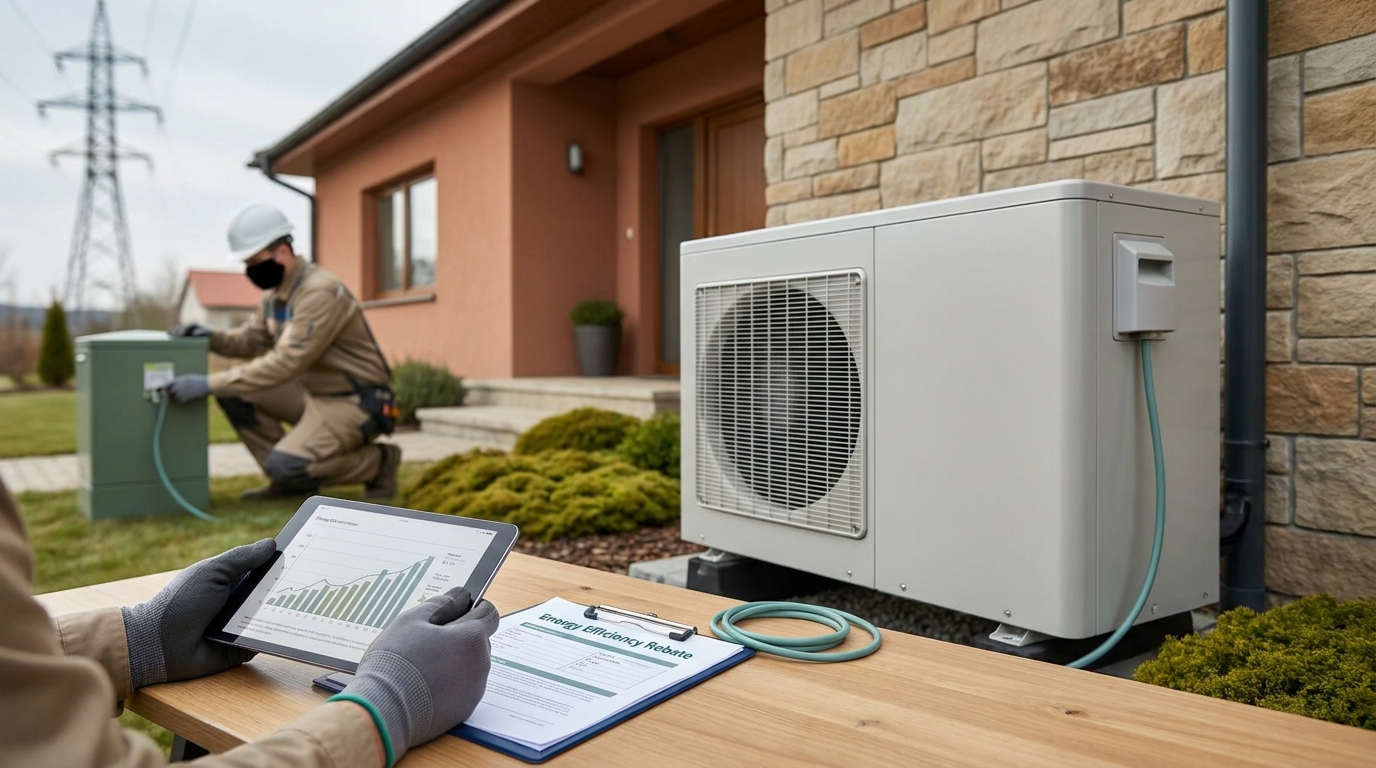
Integrating building energy labels, historical consumption metrics, and estimated HVAC operating costs directly into listing portals addresses a persistent information gap. For electric utilities managing peak demand and decarbonization mandates, the point of sale represents the most cost-effective moment to incentivize electrification. Capital improvements often occur within the first twelve months of homeownership, meaning that pre-purchase visibility into efficiency metrics directly influences whether a buyer replaces an aging gas furnace with a high-efficiency heat pump or installs a like-for-like fossil fuel replacement.
Utility Program Opportunities at Point of Sale
Electrification economics already pencil out rapidly in regions with favorable climate conditions and strong policy support. For example, in coastal California markets like San Clemente (ZIP 92672), HeatPumpScore models rate conversions as a NO BRAINER with a score of 93/100 and an immediate payback, supported by high baseline cooling demand and local tariff structures. However, in regions where upfront capital costs present higher hurdles, coordinated real estate disclosure programs can streamline access to state rebates and federal incentives, such as the Inflation Reduction Act Section 25C tax credits of up to $2,000.
Closing the data gap requires deeper collaboration between regional grid operators, real estate aggregators, and municipal energy offices. Standardized disclosure tools, including the Department of Energy Home Energy Score, provide a structured format to display projected consumption alongside heat pump retrofit potential. By partnering with real estate boards to deliver automated rebate pre-qualification at the listing stage, utilities can transition from passive bill collectors to active point-of-sale efficiency advisors.