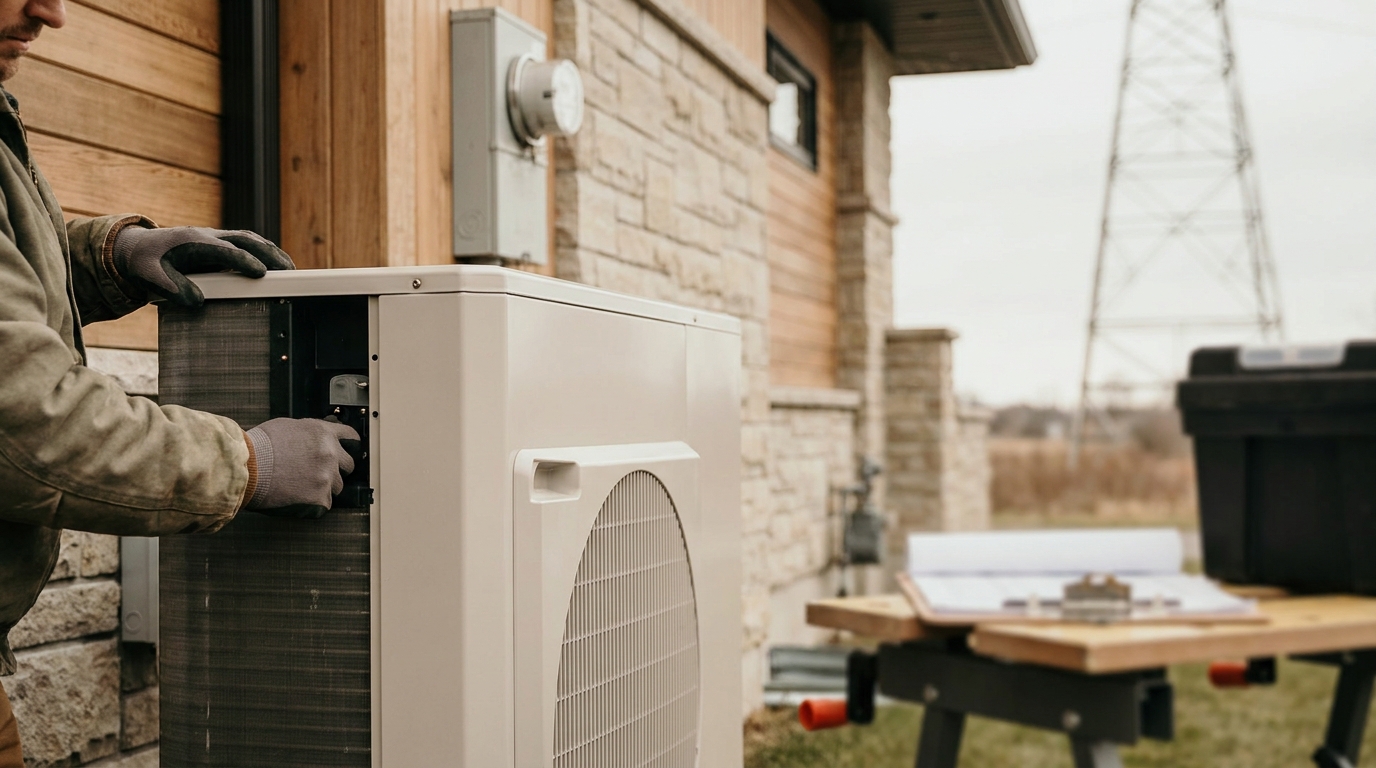
On August 7, 2026, the U.S. Department of Energy announced a $100 million funding initiative aimed at expanding the domestic critical minerals workforce and strengthening domestic supply chains. This federal investment targets the foundational elements required for scaling residential electrification technologies, including heat pumps and battery storage systems.
Supply chain constraints have historically created bottlenecks for clean energy deployment. By focusing on workforce training and domestic processing, the Department of Energy attempts to address vulnerabilities in material sourcing that impact component manufacturing timelines across the United States.
Supply Chain Implications
While the program does not directly subsidize consumer equipment purchases, domestic manufacturing capacity remains a critical factor in long-term equipment pricing. Analysts note that stabilizing raw material inputs can reduce reliance on foreign markets, though the direct impact on retail heating equipment costs will depend on execution speed.
State-level programs and utilities will need to coordinate with federal initiatives to ensure that manufacturing gains translate to accessible residential retrofits. Stakeholders continue to monitor how these federal dollars will be distributed among regional training centers and industrial partners.