The U.S. Department of Energy has issued a Section 202(c) emergency reliability order to keep critical, slated-for-retirement power plants available across the PJM Interconnection territory. The directive responds directly to tight reserve margins driven by sustained regional heat waves and rising peak summer electric loads. By requiring designated generating units to remain on standby through extreme weather windows, federal regulators aim to avoid emergency curtailments and maintain household cooling capabilities across thirteen Mid-Atlantic and Midwestern states.
Grid Strain and Household Electrification
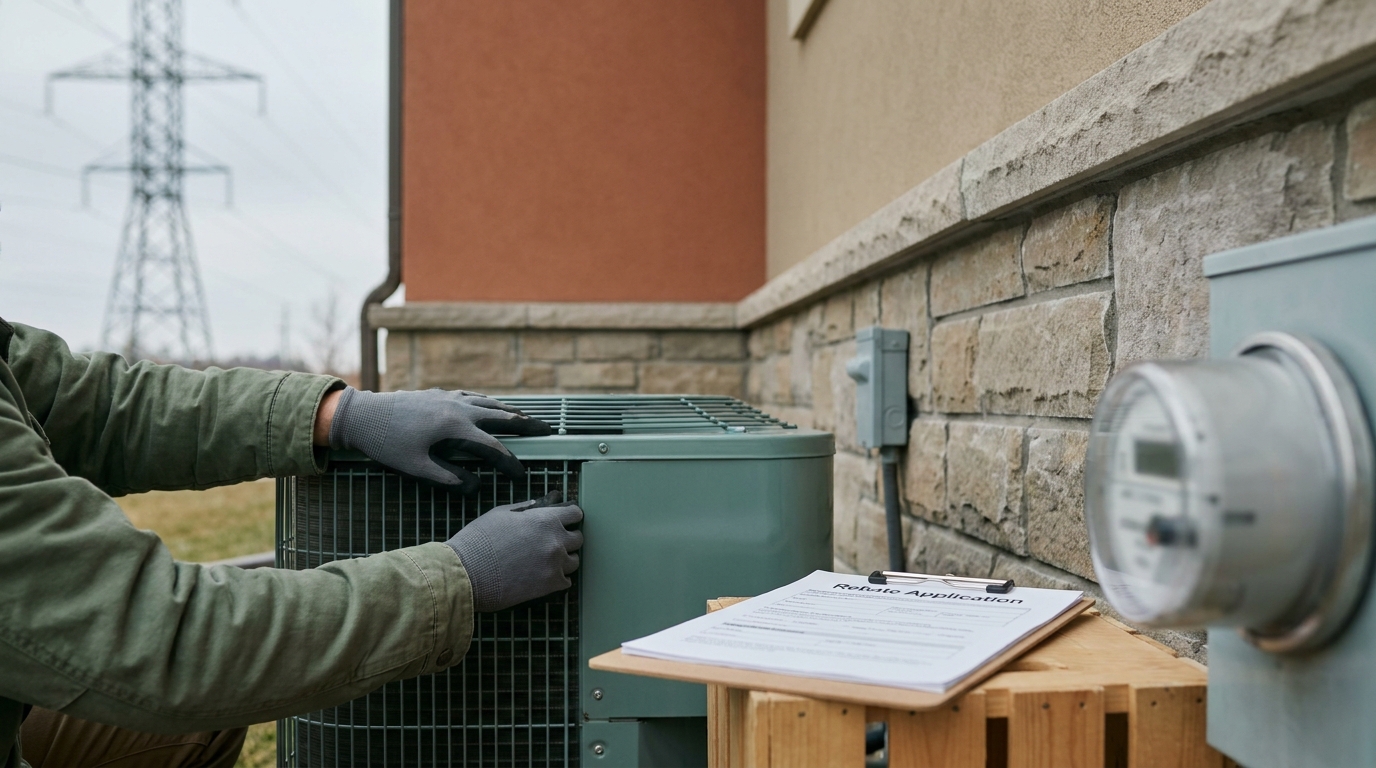
PJM's recent capacity market auctions produced unprecedented price spikes, signaling shrinking reserve margins as conventional units retire faster than new clean generation, battery storage, and transmission links can clear interconnection queues. In regions like southeastern Pennsylvania, rising cooling degree days and expanding heat pump adoption are changing residential load shapes. For homeowners in Yardley, PA 19067 (PECO territory), where HeatPumpScore rates heat pump adoption as WORTH A LOOK (score 50/100, 11.5-year payback), grid reliability directly impacts the operational economics of home electrification.
Balancing Capacity and Retail Energy Costs
While the emergency order ensures near-term physical capacity, operating older generation out of economic merit order carries distinct market costs. Wholesale clearing prices across PJM often pass through to default retail rates and capacity tariff line items on customer bills over subsequent regulatory cycles. For households using dual-fuel or high-efficiency variable-capacity heat pumps, managing peak summer consumption through demand response programs or smart thermostats will become increasingly relevant as regional capacity costs filter into utility rate structures.