The U.S. Department of Energy issued an emergency order on August 21, 2026, directing regional transmission organization PJM Interconnection to keep specific power generation units available rather than proceeding with planned retirements. Under Section 202(c) of the Federal Power Act, the directive targets critical capacity across the Mid-Atlantic to mitigate near-term reliability risks stemming from elevated summer cooling demands, extreme weather vulnerability, and rapid data center expansions alongside broader electrification trends.
Winter Heating and Summer Peaks Reshape Regional Demand
PJM, which coordinates electricity flow across 13 states and the District of Columbia, faces a structural shift in load profiles. While summer heat domes continue to establish record peaks, rising adoption of heat pumps and space heating electrification is steadily increasing winter baseload requirements. Grid planners have warned that accelerated fossil generation retirements, outstripping the pace of interconnection queue approvals for replacement capacity, create a narrowing reserve margin during high-stress hours.
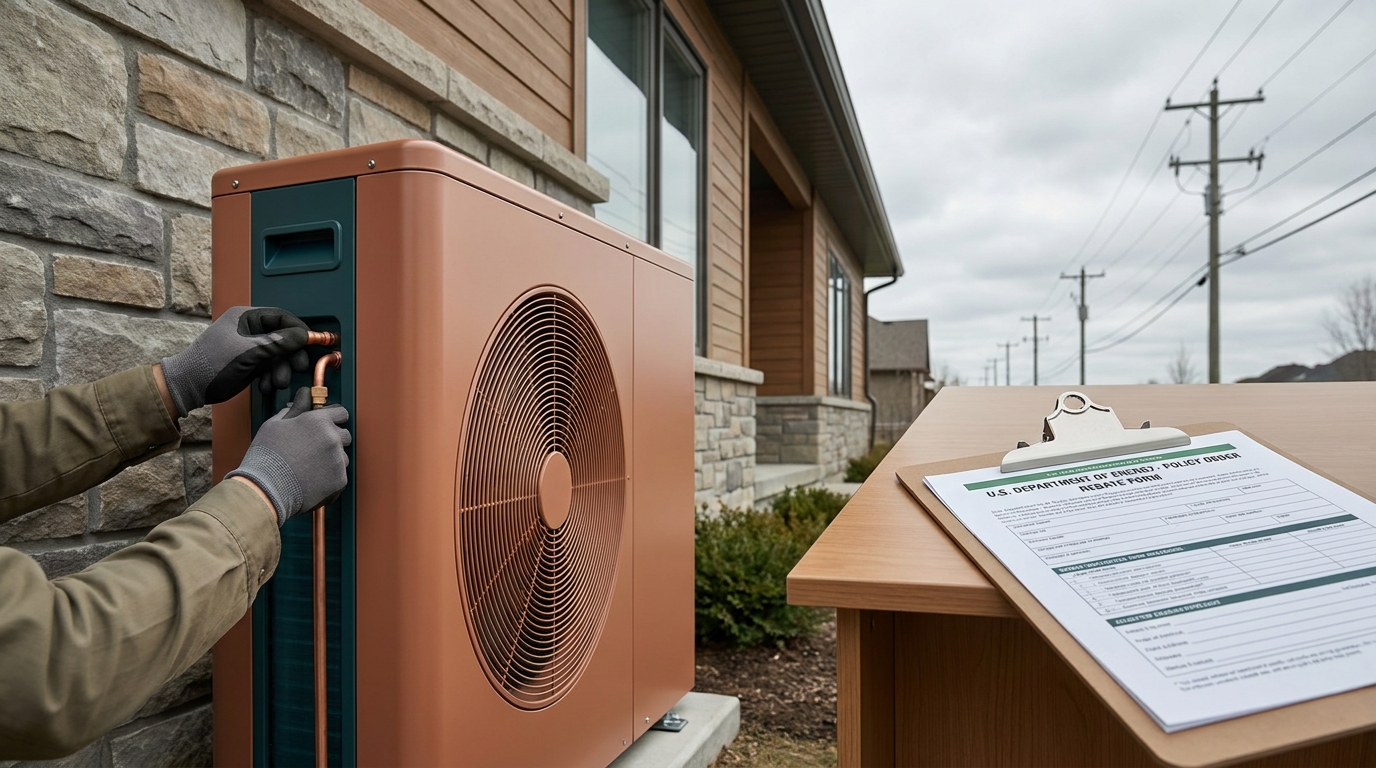
For residential consumers, these capacity constraints directly influence retail rate structures and grid reliability. In Pennsylvania, for example, PECO territory customers in Yardley (ZIP 19067) currently see heat pump retrofits rated as WORTH A LOOK under the HeatPumpScore model (score 50/100, estimated 11.5-year simple payback). That financial assessment relies on existing utility tariff structures, which could face upward capacity charges if regional grid operators struggle to balance localized peak events.
Implications for Home Electrification Economics
The federal intervention underscores the ongoing operational balancing act between decarbonization timelines and grid capacity adequacy. Energy analysts note that emergency run directives are temporary measures, yet they highlight how critical managed demand, cold-climate efficiency metrics, and smart thermostats will be as heating electrification expands across the Mid-Atlantic. Sustaining long-term economics for electrified heating requires coordinated transmission builds alongside residential peak-load management strategies.