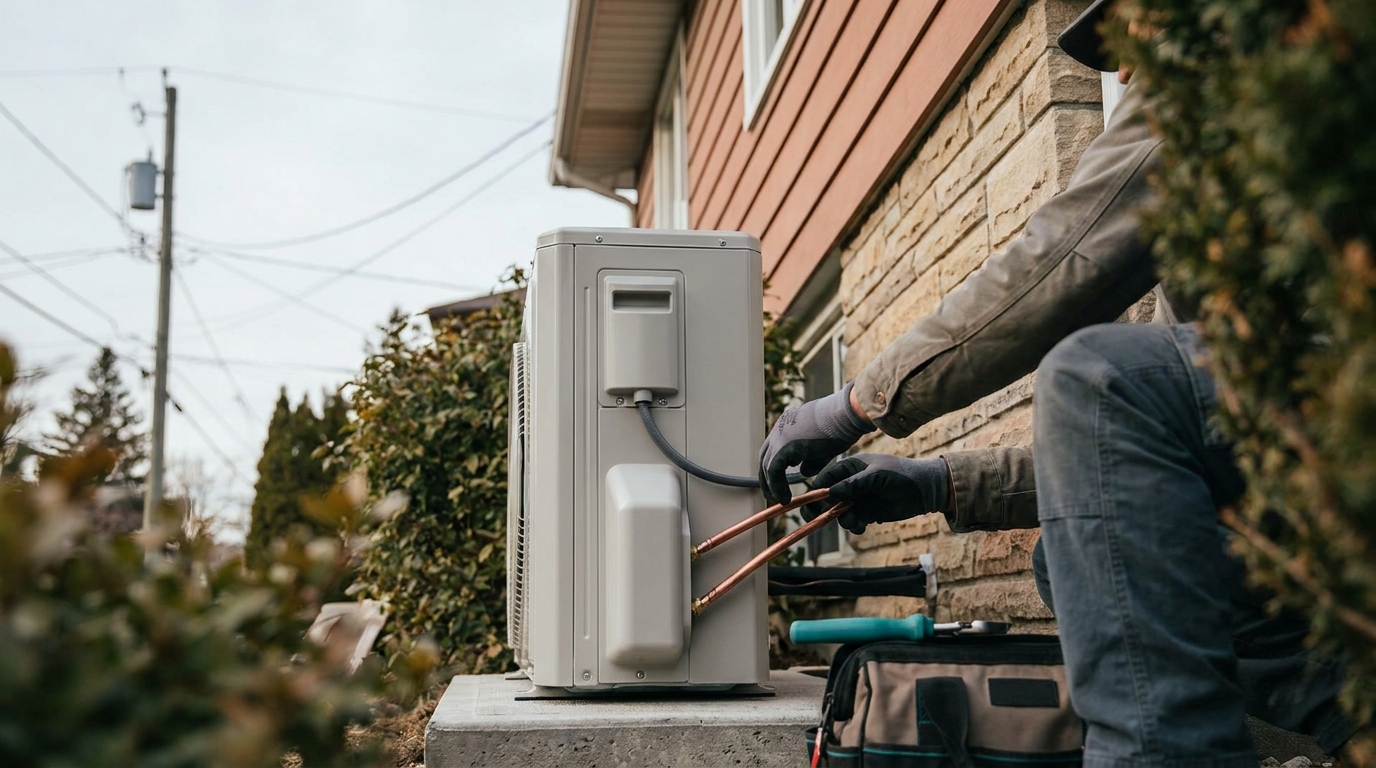
The Department of Energy (DOE) has issued revised guidance for its $8.8 billion Home Energy Rebates Program, a significant development for homeowners planning energy-efficient upgrades. This updated framework, released on June 25, 2026, modifies how federal funds can be utilized, particularly impacting the financial incentives for homeowners making the switch from fossil fuel heating systems to electric heat pumps. The changes reflect a recalibration of the program's priorities and how it aims to achieve its energy efficiency and electrification goals.
Under the previous guidance, states had more flexibility in designing their rebate programs, often allowing for substantial incentives for fuel switching. The new DOE guidelines, however, introduce stricter limitations on these specific incentives. This means that while rebates for general energy efficiency improvements, such as insulation or window upgrades, may remain robust, the direct financial benefit for replacing a gas furnace or oil boiler with a heat pump could be reduced. This shift could necessitate states and utilities to adjust their existing or planned rebate structures, potentially altering the payback periods for heat pump installations across various regions.
Impact on Electrification Efforts
This adjustment by the DOE could have implications for the broader home electrification movement. Many states and local programs have leveraged federal funds to encourage the adoption of heat pumps as a cornerstone of their decarbonization strategies. With diminished federal incentives for fuel switching, the financial calculus for homeowners considering a heat pump conversion may change. It is crucial for homeowners to consult their state and local energy program administrators to understand how these new federal guidelines will translate into available rebates in their specific areas. The overall goal of the program remains to improve home energy efficiency, but the pathway to achieving that through fuel switching has become more nuanced.
The $8.8 billion program, part of the Inflation Reduction Act, is divided into two main components: the Home Energy Rebates Program (HEER) and the High-Efficiency Electric Home Rebate Program (HEEHRP). While HEEHRP specifically targets low- and moderate-income households with point-of-sale rebates for electric appliances, the HEER program, which is subject to this new guidance, provides rebates based on measured or modeled energy savings. The updated guidance primarily affects the HEER program's ability to incentivize the direct replacement of fossil fuel systems, emphasizing instead broader energy savings measures.