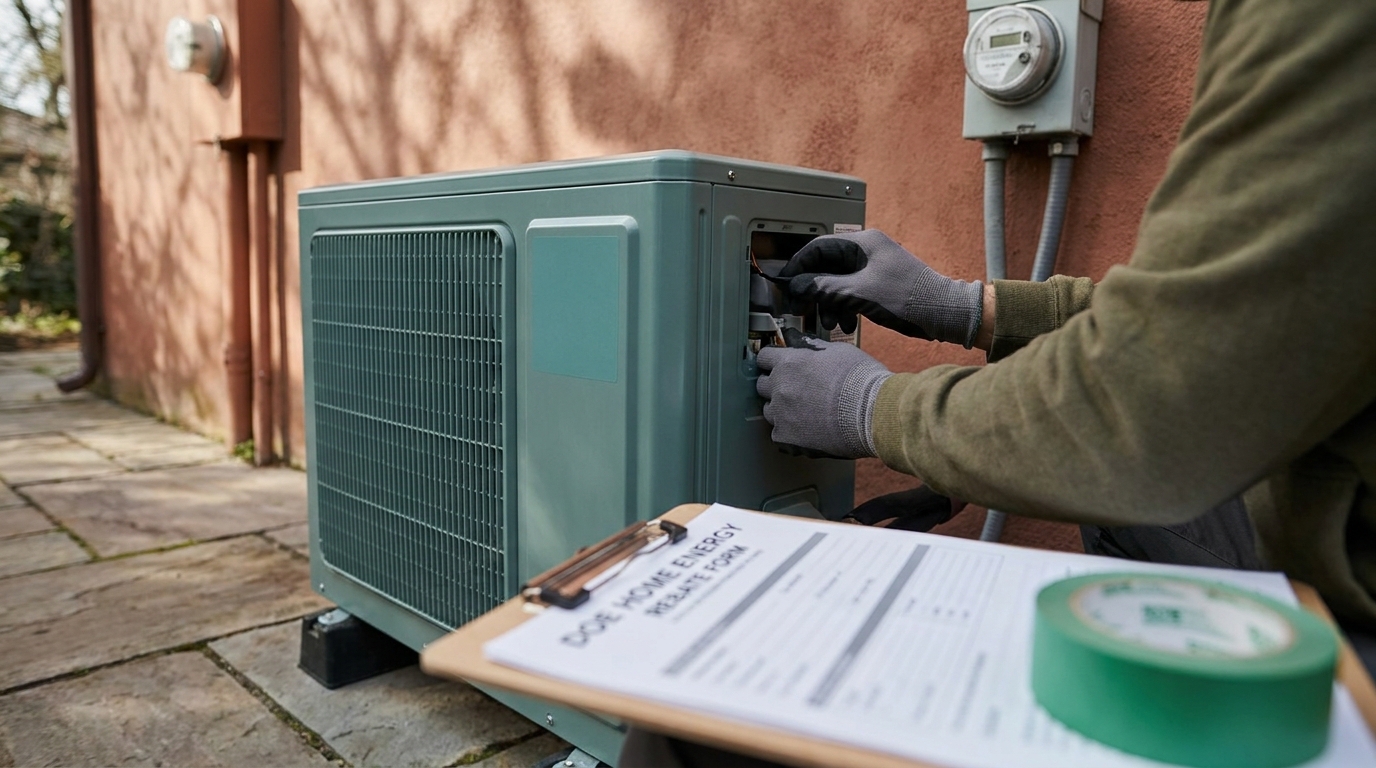
The Department of Energy (DOE) has issued new guidance for the Home Energy Rebates, effectively unfreezing the flow of federal funds for energy efficiency and electrification upgrades. This update, announced on June 2, 2026, by Homepros.com, clarifies program rules that had previously stalled the disbursement of billions in Inflation Reduction Act (IRA) funding. While the resumption of funds is a positive step for many homeowners, a significant change in the guidance specifically excludes rebates for projects that replace natural gas heating systems with electric alternatives, such as heat pumps.
This exclusion marks a notable shift from earlier interpretations and could impact the pace of home electrification, particularly in regions where gas heating is prevalent. The IRA's High-Efficiency Electric Home Rebate Act (HEEHRA), which provides up to $8,000 for heat pump installations, is a key component of these programs. Homeowners looking to transition away from fossil fuel heating may now find themselves ineligible for federal incentives if their primary motivation is to replace a gas furnace or boiler directly with an electric heat pump. The guidance appears to prioritize upgrades within existing fuel types or initial installations of electric systems, rather than fuel switching from gas.
States and tribal governments, responsible for administering these federal funds, will now need to adapt their program designs to align with the DOE's updated directives. This could lead to a re-evaluation of state-level incentive stacking strategies and public outreach efforts. For example, a homeowner in a state like Massachusetts, which has robust state-specific programs like Mass Save, might still find pathways to support heat pump installations, but the absence of federal support for gas-to-electric conversions could complicate project financing for others.
The DOE's decision to restrict gas-to-electric conversion rebates may stem from various factors, potentially including a focus on maximizing energy savings within existing energy footprints or navigating complex legislative interpretations. Regardless of the rationale, this policy change creates a new hurdle for homeowners and contractors aiming for comprehensive home electrification. Stakeholders will be closely monitoring how this guidance affects the adoption rates of electric heating systems and whether it prompts any further adjustments from the DOE or state program administrators.