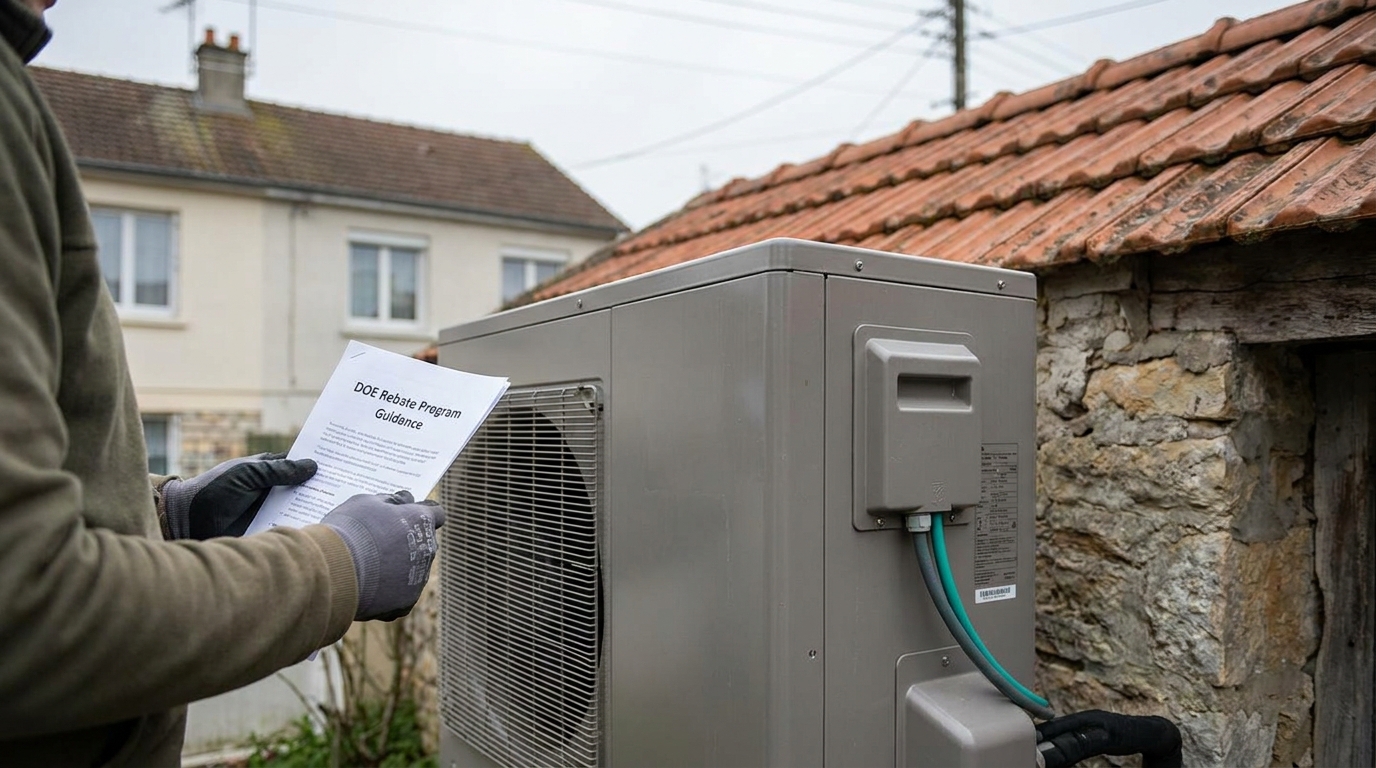
The Department of Energy (DOE) has re-released guidance for the Inflation Reduction Act's (IRA) home energy rebate programs, specifically the Home Energy Rebates (HOMES) and High-Efficiency Electric Home Rebate Act (HEEHRA). However, a critical change in the new rules effectively eliminates incentives for homeowners who switch from fossil fuel appliances to electric heat pumps. This represents a significant deviation from the original intent of the programs, which aimed to accelerate home electrification.
The original framework of the IRA's energy rebates was designed to encourage the adoption of efficient electric appliances, including heat pumps, by providing financial assistance for upgrades. The updated DOE guidance, however, focuses primarily on energy savings achieved within a single fuel source. This means that a homeowner replacing a natural gas furnace with a new, more efficient natural gas furnace could qualify for a rebate, but a homeowner replacing that same natural gas furnace with an electric heat pump, despite potentially achieving greater overall carbon reductions and long-term energy savings, would not receive the same incentive under the HOMES program.
This shift has drawn criticism from electrification advocates who argue it undermines the broader climate goals of the IRA. The HOMES program, which offers up to $8,000 in rebates for whole-house energy efficiency upgrades, was initially seen as a key driver for transitioning away from fossil fuels. Now, the emphasis on like-for-like fuel replacements limits its impact on decarbonization. For example, a homeowner in Boise, ID 83704, where heat pump adoption is still in its early stages (HeatPumpScore tier NOT YET, 34.4-year payback), would find it harder to justify the upfront cost of an electric conversion without these incentives.
The HEEHRA program, which provides up to $14,000 in point-of-sale rebates for specific electric appliances, including heat pumps, remains a dedicated electrification incentive. However, the changes to the HOMES program reduce the overall financial support available for comprehensive electrification projects. This could slow the adoption of heat pumps in regions like Sioux Falls, SD 57104 (HeatPumpScore tier NOT YET, 46.8-year payback), where significant financial incentives are crucial to overcome initial investment barriers. The new guidance suggests a narrower interpretation of "energy savings" that prioritizes incremental efficiency gains over fuel switching, a fundamental component of home electrification strategies.