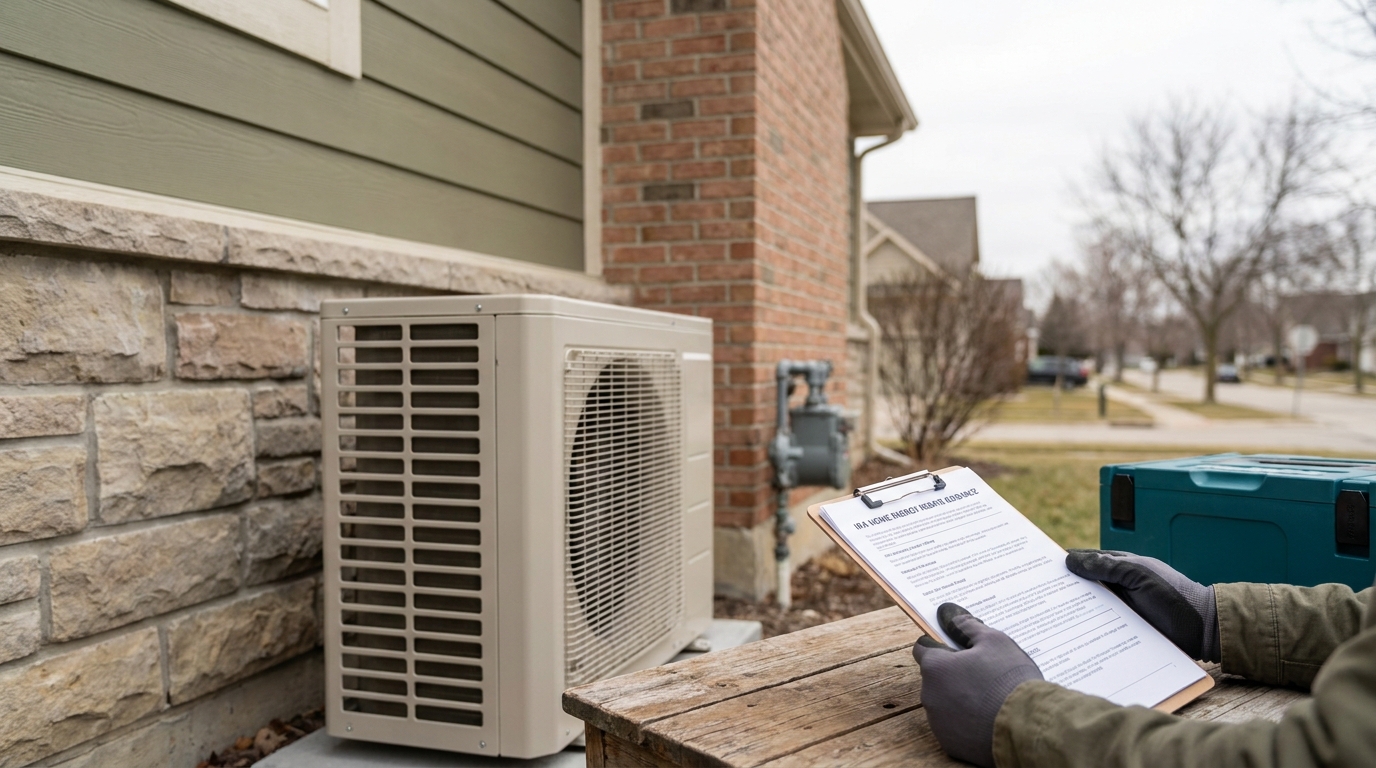
The Department of Energy (DOE) has issued new guidance for the Inflation Reduction Act's (IRA) Home Energy Rebate programs, notably altering the landscape for home electrification. This updated guidance, released on June 11, 2026, specifically eliminates incentives for homeowners to transition from natural gas or propane heating systems to electric heat pumps. This change impacts a significant portion of the $8.8 billion allocated under the IRA for home energy upgrades, as it removes a key financial driver for fuel switching.
Previously, the IRA's High-Efficiency Electric Home Rebate Act (HEEHRA) and Home Energy Rebate Program (HOMES) were understood to support such conversions. The new interpretation from the DOE, however, stipulates that rebates for heat pump installations will only apply if the home already uses an electric heating system. This means that homeowners currently relying on fossil fuels for heating will no longer qualify for federal rebates when installing a heat pump to replace their existing gas or propane furnace or boiler. This directive has drawn criticism from various industry groups, including the National Propane Gas Association (NPGA), which highlighted the shift.
This policy adjustment could significantly slow the pace of residential electrification in states where fossil fuel heating is prevalent. While some states and utilities offer their own incentives for heat pump adoption, the federal rebate program was expected to provide a substantial, uniform push. The removal of these specific conversion incentives means that the financial burden for switching from gas or propane to electric heat pumps will now fall more heavily on homeowners, potentially increasing payback periods and reducing the immediate economic appeal of electrification.
Impact on Electrification Goals
The original intent of the IRA's rebate programs was to accelerate the adoption of energy-efficient technologies, including heat pumps, to reduce carbon emissions and lower household energy costs. By narrowing the scope of eligible projects, the DOE's revised guidance could impede progress towards these goals. The $8.8 billion in rebates was envisioned to support a broad range of energy-saving measures, with fuel switching being a critical component for decarbonization. The current interpretation means that a substantial portion of this funding may not be utilized for the most impactful conversions, or it may shift the focus towards other electric-to-electric upgrades.
Stakeholders in the electrification sector are now evaluating the implications of this change. It underscores the importance of state-level programs and utility incentives in driving heat pump adoption, particularly for homes currently heated by fossil fuels. The long-term effects on the heat pump market and the broader effort to decarbonize residential heating remain to be seen, but this federal policy shift undeniably complicates the path forward for many homeowners considering a switch to electric heating.