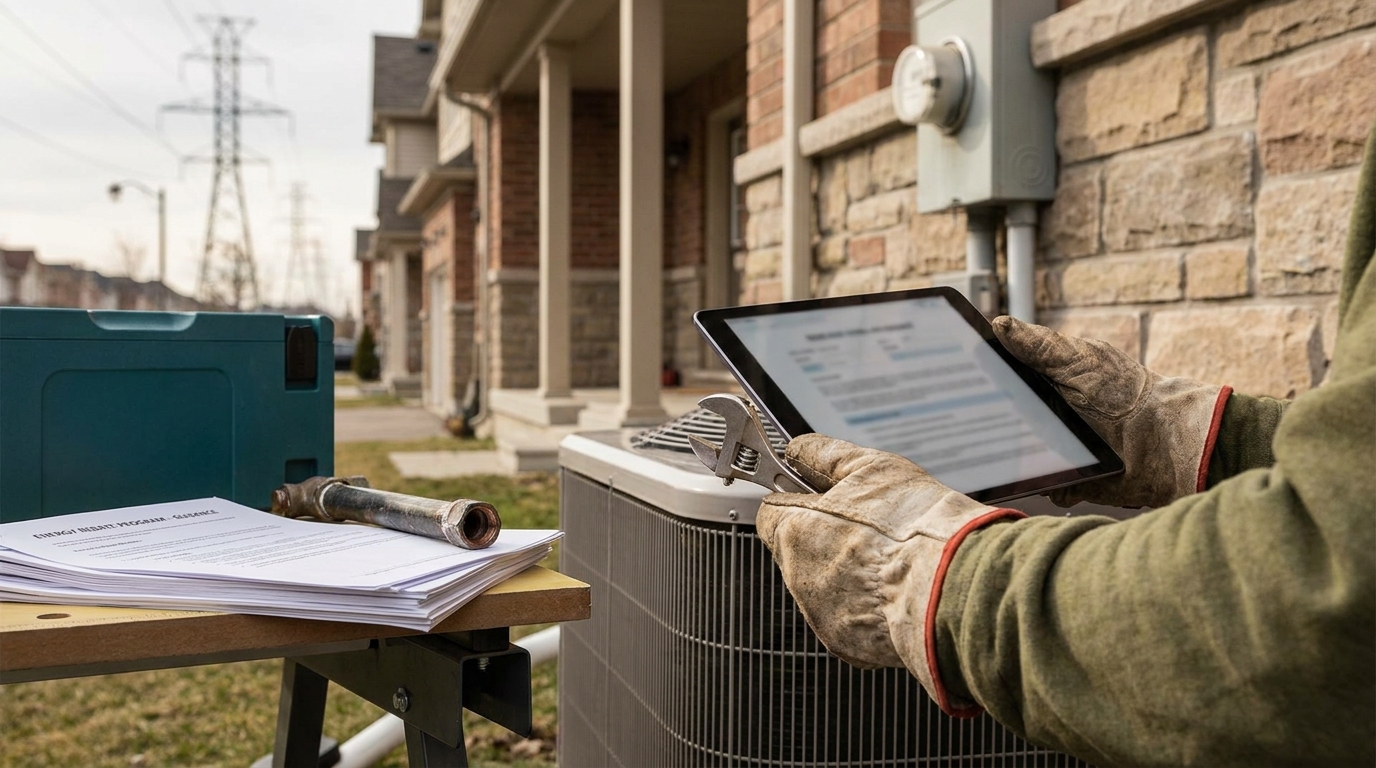
The Department of Energy (DOE) released new guidance on June 2, 2026, for the Home Energy Rebate Programs established under the Inflation Reduction Act (IRA). This guidance specifies that federal rebates will no longer be available for homeowners replacing functioning fossil fuel-powered heating systems with electric heat pumps. The change primarily affects the High-Efficiency Electric Home Rebate Act (HEEHRA), a $4.5 billion program designed to incentivize electrification.
Previously, homeowners could receive rebates for switching from a gas furnace or boiler to a heat pump, even if the fossil fuel appliance was still operational. The new interpretation requires that the existing appliance be at or beyond its useful service life or be inoperable to qualify for a replacement rebate. This shift is expected to significantly alter the landscape of home electrification incentives, particularly for proactive homeowners seeking to transition away from natural gas before their existing systems fail.
Impact on Electrification Goals
This DOE decision aims to prioritize energy efficiency upgrades for homes with older, less efficient systems, and to ensure that federal funds are used for replacements rather than upgrades from still-functional units. While the IRA's 25C tax credit for heat pump installations remains unaffected, offering up to $2,000, the loss of direct rebates for switching from operational gas appliances could slow the pace of electrification in some regions. State-specific programs, such as those in Massachusetts (Mass Save) or New York (NYSERDA), may continue to offer incentives for gas-to-electric conversions, but the federal component will now be more restrictive.
The guidance clarifies that the Home Energy Rebate Programs are intended to support upgrades that yield significant energy savings, and that replacing a working, albeit fossil-fueled, appliance does not always meet this criterion under the new interpretation. This move has drawn criticism from electrification advocates who argue it will create a disincentive for homeowners to proactively reduce their carbon footprint by delaying heat pump installations until their gas systems completely fail, potentially leading to emergency replacements rather than planned transitions.