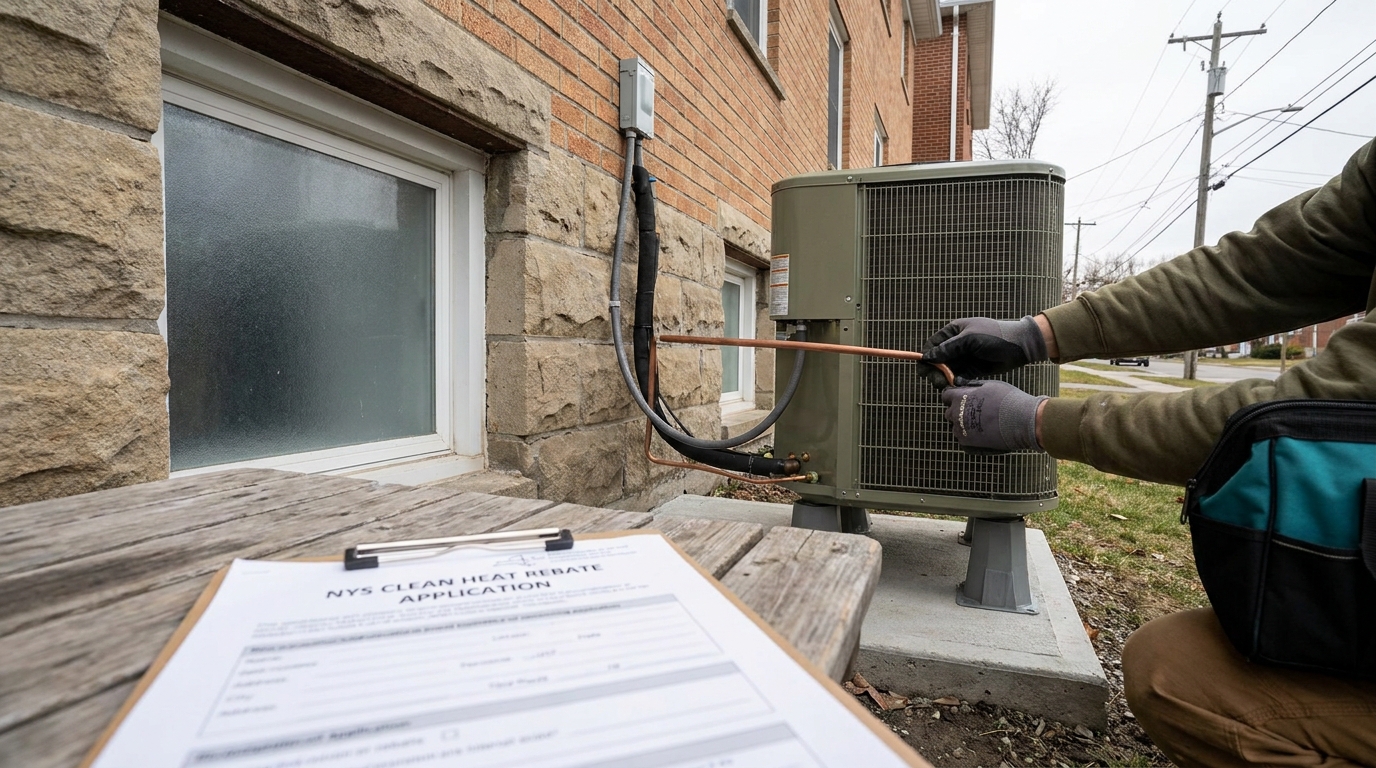
On April 10, 2026, Governor Kathy Hochul announced a $17.5 million investment aimed at accelerating the development and deployment of advanced clean heating and cooling solutions in New York State. The funding specifically targets cold-climate room heat pumps, with a focus on solutions tailored for multifamily buildings. This initiative seeks to increase energy efficiency and reduce costs for residents, addressing a critical need in urban and high-density residential areas.
The investment is designed to foster innovative plug-and-play heat pump systems that can be easily integrated into existing multifamily structures. This approach aims to streamline installation processes and minimize disruption for tenants and building owners. The focus on cold-climate performance is particularly relevant for New York, where heating demands are substantial during winter months. Improved cold-climate capabilities are essential for widespread adoption and for ensuring these systems can reliably replace traditional fossil fuel heating.
This funding complements existing state efforts to decarbonize buildings and achieve New York's ambitious climate goals. While the announcement does not detail specific program names or utility partners, the general direction aligns with initiatives from organizations like NYSERDA, which frequently supports clean energy technology development. For example, in Massapequa, NY 11758, a typical home already scores SOLID YES with a 3.0-year payback for heat pump installations under National Grid, indicating a strong existing economic case for electrification. This new investment could further improve the cost-effectiveness and accessibility of heat pump technology, especially for segments of the market that have historically faced higher barriers to adoption.
The $17.5 million allocation underscores a strategic commitment to overcoming technical and logistical hurdles in building electrification. By targeting room heat pumps and multifamily buildings, the state is addressing a segment with significant potential for emissions reductions and energy savings. The success of this investment will depend on the ability of manufacturers and developers to deliver on the promise of efficient, affordable, and easily installable cold-climate solutions.