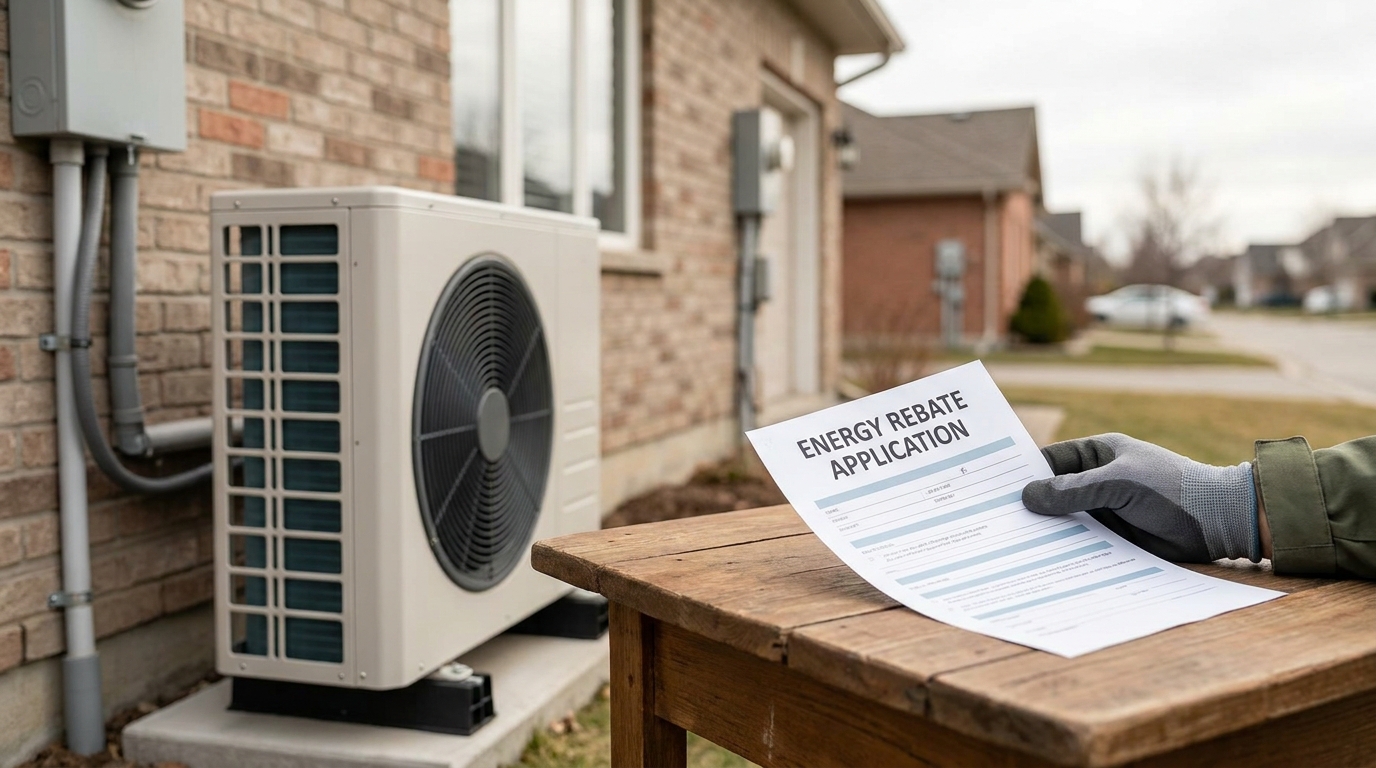
On February 26, 2026, the U.S. House of Representatives passed the Homeowner Energy Freedom Act, a bill poised to repeal $5.7 billion in funding allocated by the Inflation Reduction Act (IRA). This legislative action directly targets programs designed to incentivize home electrification, including rebates for heat pump installations, contractor training initiatives, and support for the adoption of updated building energy codes. If enacted, the bill would significantly curtail the financial incentives available to millions of homeowners across the country seeking to upgrade their homes with more energy-efficient technologies.
The proposed cuts would eliminate funding for programs that have begun to make heat pump technology more accessible. For instance, the High-Efficiency Electric Home Rebate Act (HEEHRA), which offers up to $8,000 for heat pump installations based on household income, would be directly impacted. Similarly, the Home Energy Rebate Program (HOMES), providing up to $4,000 for comprehensive home energy retrofits, would also be defunded. These programs were designed to reduce the upfront cost of electrification, a critical factor for homeowners considering significant investments in their heating and cooling systems.
The potential repeal could particularly affect regions where heat pump adoption is gaining momentum, but still requires financial incentives to achieve widespread penetration. In areas like Austin, TX 78728, where homeowners already see a SOLID YES HeatPumpScore with a 2.9-year payback, the loss of these rebates could slow the pace of electrification. For homeowners in Yardley, PA 19067, currently scoring WORTH A LOOK with an 11.5-year payback, the removal of these federal incentives could make the transition to heat pumps financially less attractive, potentially pushing the payback period even higher. The bill's passage in the House represents a significant hurdle for the nationwide push towards cleaner home energy solutions.
Beyond direct consumer rebates, the Homeowner Energy Freedom Act also targets funding for contractor training and building energy code adoption. These components are crucial for building a skilled workforce capable of installing and maintaining advanced electric systems, and for ensuring that new construction meets higher energy efficiency standards. The proposed cuts could therefore have a ripple effect, impacting not only consumer adoption but also the long-term infrastructure and regulatory framework supporting home electrification. The bill now moves to the Senate, where its future remains uncertain.