H2i Plus Hyper-Heat (multi-zone)
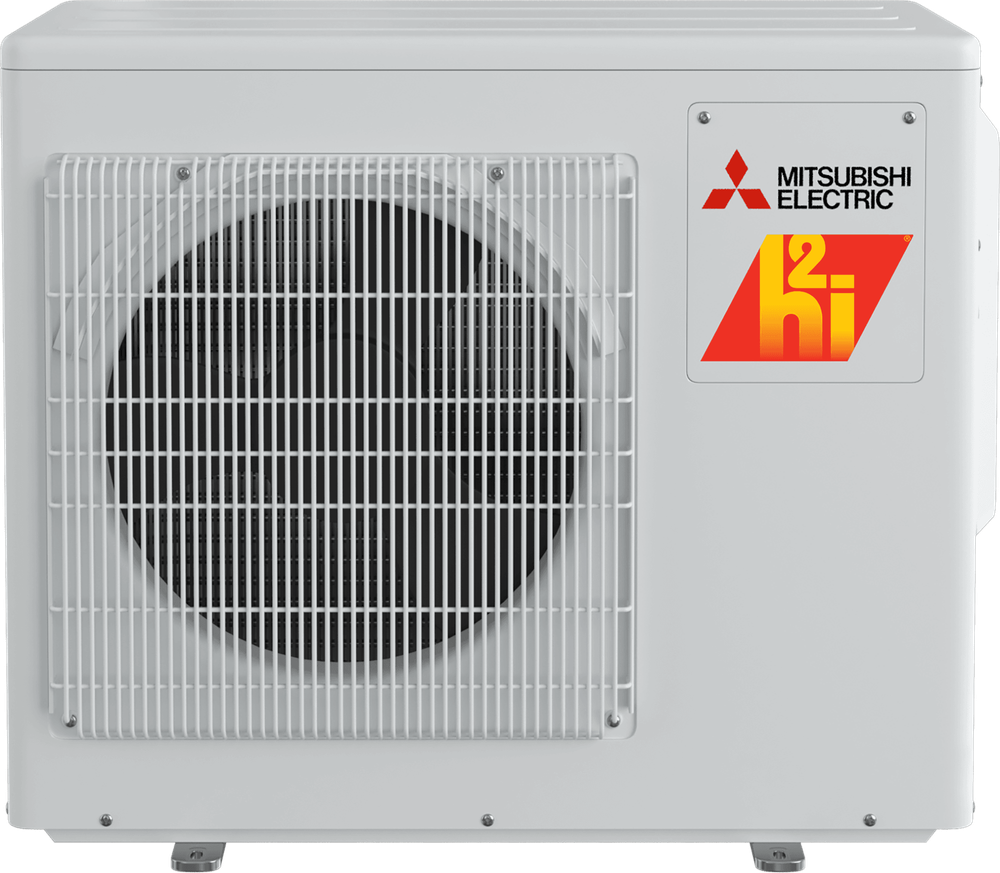
Summary
The Mitsubishi H2i Plus Hyper-Heat (multi-zone) is a solid choice for whole-home cold-climate retrofits, especially for homes needing 3-8 indoor heads. Its standout feature is maintaining full rated output down to -13°F, making it genuinely capable in very cold climates (Climate Zone 4A to 7). With HSPF2 ratings between 9.5–10.5 and SEER2 18–22, it's a high-efficiency performer. This unit is designed to replace or significantly supplement existing heating systems, even in areas where traditional heat pumps struggle. The main red flag to watch for is potential short-cycling on the multi-zone inverter when only one or two indoor heads are calling for heat or cool, so ensure your installer provides a thorough Manual J and Manual S calculation.
Who it's for
This unit is ideal for a 2,000–3,000 sqft home in Climate Zone 6A (like Chicago or Boston) looking to ditch an aging oil or propane furnace. Its -13°F minimum operating temperature means reliable heating without needing a fossil fuel backup, even on the coldest days. Another good fit is a sprawling 2,500 sqft ranch in Climate Zone 5B (think Denver or Kansas City) with electric resistance baseboard heat in some rooms and a central AC, where the homeowner wants to zone their heating and cooling more effectively. The multi-zone capability allows for precise comfort control in different areas without running new ductwork. Finally, consider it for a 1,800 sqft, poorly insulated Victorian in Climate Zone 7 (like Minneapolis) that's currently relying on an inefficient boiler and window AC units. The H2i Plus Hyper-Heat can provide efficient, quiet heating and cooling to multiple rooms, significantly improving comfort and reducing energy bills.
Real-world performance
With an HSPF2 of 9.5–10.5 and SEER2 of 18–22, the Mitsubishi H2i Plus Hyper-Heat delivers serious energy savings. In a typical 2,500 sqft home in Climate Zone 5A, you could expect to cut heating costs by 40-60% compared to a 90% AFUE gas furnace, and cooling costs by 20-30% versus a SEER 14 AC. The 'Hyper-Heat' designation isn't just marketing; this unit is cold-climate certified and maintains full rated heating capacity down to -13°F. This means that even when it's well below zero, you won't be relying on auxiliary heat strips or a fossil fuel backup to keep your home warm. For most homes in Climate Zones 4A to 7, this heat pump can handle 100% of the heating load. It’s an inverter-driven system, so it modulates its output to match demand, avoiding the on/off cycling of older systems, which contributes to its high efficiency and consistent comfort.
Installation notes
Installing a multi-zone ductless system like the H2i Plus Hyper-Heat requires careful planning. Line-set lengths are critical; while these units offer decent flexibility, exceeding manufacturer specifications can reduce efficiency and void warranties. Indoor head placement is key for optimal air distribution and aesthetics – think about wall space, proximity to electrical outlets, and avoiding direct drafts on seating areas. Outdoor unit clearances are also important; ensure adequate space for airflow and maintenance, typically 6-12 inches from walls and 24 inches above for snow accumulation in cold climates. Permitting is standard for HVAC changes; expect your installer to handle local permits, which ensures the work meets code and passes inspection. First-time heat pump buyers are often surprised by the size of the outdoor unit and the need for new electrical circuits, so plan for those. The refrigerant is R410A, transitioning to R32, which may impact future servicing or refrigerant availability.
Maintenance & warranty
Annual maintenance for the H2i Plus Hyper-Heat typically costs $150-$300 and includes coil cleaning, checking refrigerant levels, inspecting electrical connections, and cleaning condensate drains. Homeowners should regularly clean the indoor unit filters, usually monthly, which is a simple task. Neglecting filter cleaning can restrict airflow, reduce efficiency, and potentially lead to coil freeze-ups. Be vigilant for signs of refrigerant leaks, such as reduced cooling/heating performance or hissing sounds. Mitsubishi offers a robust warranty, often 10-12 years on compressor and parts, provided the unit is installed by a licensed contractor and registered within a specified timeframe (usually 90 days). Failure to register or skipped annual professional maintenance can void parts of the warranty, so keep service records diligently.
Common complaints
Owners of the Mitsubishi H2i Plus Hyper-Heat occasionally grumble about a few things. Noise from the outdoor unit, while generally quiet for its class, can be noticeable to some, especially if it's located near a bedroom window. The defrost cycle, which is necessary in cold weather, can sometimes be louder than expected or occur more frequently, leading to brief periods of cool air from indoor heads. Some users report that the aesthetics of the indoor wall-mounted heads can be a challenge to integrate into certain room decors. Dealer responsiveness and installation quality are, as with any HVAC system, common points of frustration if the initial setup isn't done right. Finally, the multi-zone short-cycling issue when only one or two heads are active can lead to less-than-optimal efficiency or comfort in those specific scenarios.
Price context
The installed price range of $7,000–$14,000 for the Mitsubishi H2i Plus Hyper-Heat (multi-zone) positions it as a premium, high-performance option. This is generally higher than entry-level single-zone mini-splits but competitive with other top-tier cold-climate multi-zone systems like the Fujitsu Halcyon XLTH or Daikin Aurora. The federal IRA 25C tax credit can cover 30% of the installed cost, up to $2,000, which significantly offsets the initial investment. Additionally, because it's a cold-climate certified heat pump (NEEP ccASHP listed), it's typically eligible for higher rebates under state and utility programs, and often qualifies for the new HEEHRA income-qualified programs, which can provide substantial upfront discounts. Always check with your local utility and state energy office for specific rebate amounts in your area.
FAQ
- What does 'Hyper-Heat' mean for the Mitsubishi H2i Plus?
- Hyper-Heat refers to Mitsubishi's technology that allows the unit to maintain 100% of its rated heating capacity down to -13°F. Many standard heat pumps lose significant capacity as temperatures drop, requiring supplemental heat. The H2i Plus Hyper-Heat is designed to provide consistent, efficient heating even in extreme cold, making it suitable for Climate Zones 4A to 7 without relying on a backup heat source.
- Is the Mitsubishi H2i Plus Hyper-Heat compatible with smart home systems?
- Yes, the Mitsubishi H2i Plus Hyper-Heat (multi-zone) is typically compatible with various smart home systems through optional interfaces or adapters. Mitsubishi offers its own Kumo Cloud app for remote control and scheduling, and there are third-party thermostats and integration kits that allow it to connect with popular platforms like Google Home, Amazon Alexa, or Apple HomeKit, providing enhanced control and energy management features.
- What's the difference between R410A and R32 refrigerant, and how does it affect this unit?
- The Mitsubishi H2i Plus Hyper-Heat currently uses R410A, but Mitsubishi is transitioning to R32. R32 has a lower Global Warming Potential (GWP) than R410A, making it more environmentally friendly. For you, this means newer units might use R32, which is more sustainable. Performance-wise, both are effective, but R32 systems can sometimes be slightly more efficient. Ensure your installer is certified for whichever refrigerant your specific unit uses.
- Can the H2i Plus Hyper-Heat really replace my furnace in a cold climate?
- Absolutely. With its -13°F minimum operating temperature and cold-climate certification, the Mitsubishi H2i Plus Hyper-Heat is designed to be a primary heating source in cold climates (Climate Zones 4A to 7). It maintains full rated output even when temperatures plummet, meaning it can reliably heat your home without needing a traditional furnace for backup, significantly reducing or eliminating your reliance on fossil fuels.