LGRED° (Low-Temp Extended)
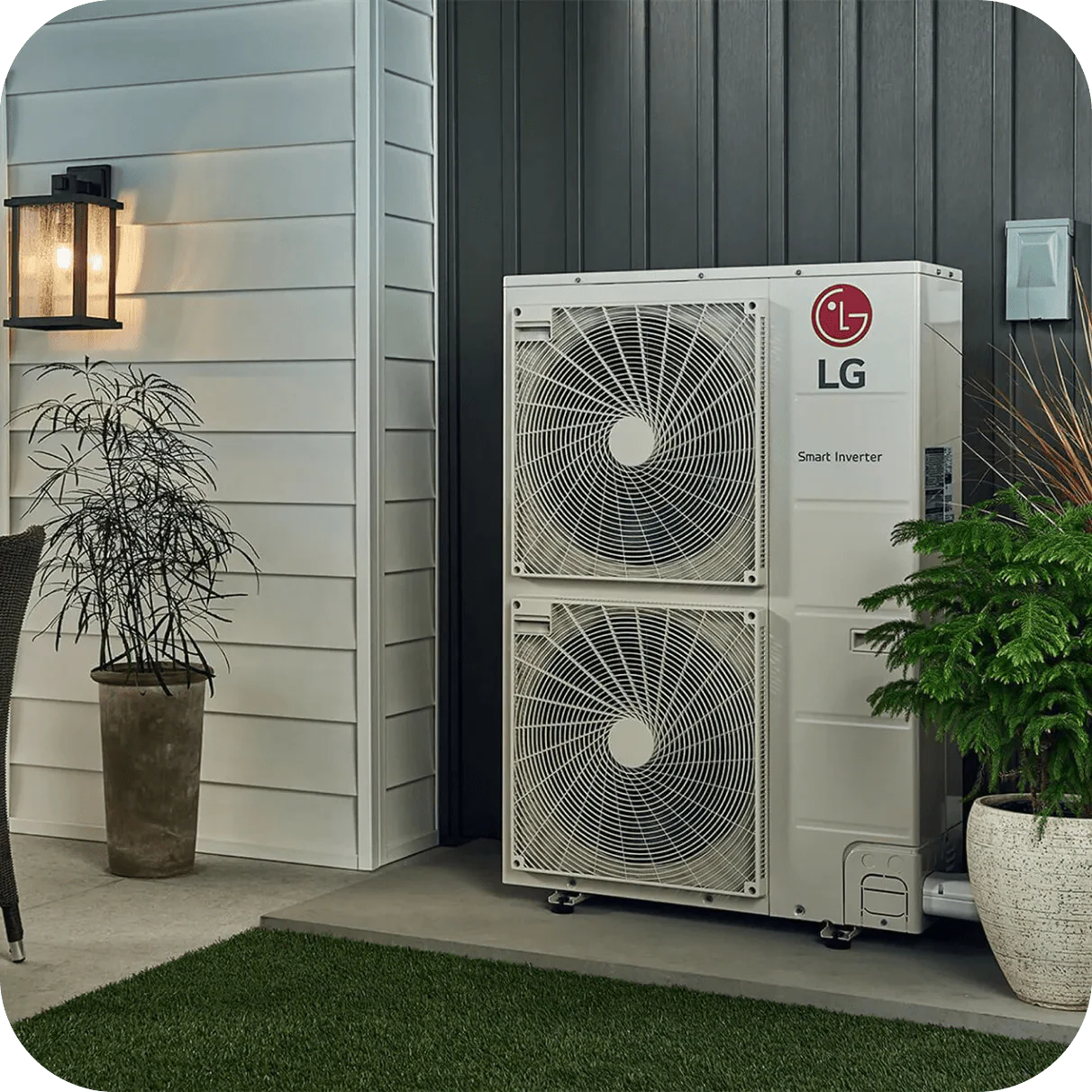
Summary
The LGRED° (Low-Temp Extended) is a solid choice for homeowners in colder climates, specifically zones 4A to 7, looking to electrify their heating. Its standout feature is its ability to maintain heating performance down to -13°F, making it a true cold-climate contender. With an HSPF2 of 10.3–11 and SEER2 of 19–24, it delivers strong efficiency numbers for a ductless mini-split. This model line is best suited for targeted retrofits in areas like the Mid-Atlantic and Ohio Valley. While the pricing is competitive, ranging from $3 300–$6 000 installed, be aware that LG's dealer network can be thinner than competitors in some regions, which might impact installation options and service responsiveness.
Who it's for
This unit is ideal for a 1,500 sqft home in Climate Zone 5A (e.g., Pittsburgh, PA) with aging electric baseboard heat, where homeowners want to transition to efficient, zoned heating and cooling without installing ductwork. The LGRED°'s strong low-temp performance means reliable heat even during deep winter cold snaps. Another good fit is a 1,200 sqft addition or finished basement in Climate Zone 6 (e.g., Minneapolis, MN) that needs independent climate control. The ductless nature and -13°F minimum operating temperature make it a robust solution for spaces that are hard to integrate into an existing ducted system. Finally, consider this for a small, older home (under 1,000 sqft) in Climate Zone 4A (e.g., Portland, OR) currently relying on an inefficient oil furnace. The LGRED° offers a cost-effective, high-efficiency replacement that can handle the region's winter lows, providing both heating and cooling from a single system.
Real-world performance
The LGRED°'s HSPF2 of 10.3–11 and SEER2 of 19–24 translate to significant energy savings. In a typical home in Climate Zone 5, you could expect annual heating costs to be 30-50% lower than a 90% AFUE gas furnace, especially when considering the rising cost of natural gas. For cooling, its SEER2 of 19–24 is a substantial upgrade over a baseline SEER 14 AC, potentially cutting cooling electricity use by 30-40%. The unit's minimum operating temperature of -13°F means it will provide substantial heat output well into freezing conditions without needing supplemental electric resistance heat. While it maintains capacity exceptionally well at low temperatures, like any heat pump, extreme cold below -13°F will eventually necessitate a backup heat source, though this is rare in its target climate zones (4A to 7). It’s designed to be a primary heat source in most cold-climate scenarios.
Installation notes
As a ductless mini-split, installation is generally simpler than ducted systems, but still requires careful planning. Line-set lengths are crucial; while LGRED° systems offer decent flexibility, exceeding manufacturer-specified maximums can degrade performance. Indoor heads need strategic placement for optimal air distribution and aesthetics; avoid placing them directly above frequently used seating areas if possible. Outdoor unit clearances are vital for proper airflow and defrosting, typically requiring at least 6-12 inches from walls and other obstructions. Many first-time heat pump buyers are surprised by the need for a dedicated electrical circuit for the outdoor unit, often requiring an electrical panel upgrade. Permits are almost always required for HVAC replacements or new installations, and local codes will dictate specific requirements for electrical, refrigerant lines, and condensate drainage.
Maintenance & warranty
Annual maintenance for the LGRED° typically costs $150-$300 and involves cleaning indoor coils and filters, checking refrigerant levels, inspecting electrical connections, and ensuring proper condensate drainage. Homeowners should clean or replace the indoor unit's filters every 1-3 months, depending on usage and air quality. Visible ice buildup on the outdoor unit or unusual noises can indicate a need for professional service. LG offers a strong 10-year parts warranty when installed by an LG Pro installer and registered promptly. Common warranty traps include unregistered installations, lack of documented annual professional maintenance, and improper DIY repairs. Always keep records of your annual service appointments to ensure warranty validity.
Common complaints
Owners of LGRED° units occasionally grumble about the aesthetics of the indoor heads, finding them somewhat bulky compared to sleeker designs from other brands, though this is subjective. Noise levels are generally good, but some users report the outdoor unit can be noticeable during defrost cycles, which are more frequent in colder, humid conditions. Dealer responsiveness can be a watch-out, especially outside of major metropolitan areas where the LG network might be less dense than competitors like Mitsubishi or Fujitsu. While the technology is robust, getting timely service or parts can sometimes be a challenge if your local installer isn't well-stocked or doesn't have a strong relationship with LG distribution. Overall, performance complaints are rare when the system is properly sized and installed.
Price context
The typical installed price for the LGRED° (Low-Temp Extended) ranges from $3 300–$6 000 for equipment and labor, which positions it competitively. This is generally on par with, or slightly below, comparable cold-climate ductless mini-splits from brands like Fujitsu Halcyon XLTH or Daikin Aurora. Mitsubishi's Hyper-Heat models often come in at the higher end of this range or slightly above. The IRA 25C tax credit covers 30% of the installed cost, up to $2,000, for systems meeting efficiency requirements, which the LGRED° easily does with its HSPF2 of 10.3–11 and SEER2 of 19–24. For income-qualified programs under HEEHRA, the LGRED° is a strong candidate for rebates, as its cold-climate certification and high efficiency make it a preferred choice for state and local incentive programs aimed at decarbonization.
FAQ
- What does the 'Low-Temp Extended' in LGRED° mean for my home?
- It signifies that this model line is specifically engineered to perform exceptionally well in very cold temperatures. The -13°F minimum operating temperature means the unit can efficiently provide heat down to that extreme, reducing or eliminating the need for expensive supplemental electric resistance heat, even in severe winter conditions. This makes it a true primary heating solution for cold-climate zones 4A to 7, not just a shoulder-season helper.
- How does the HSPF2 of 10.3–11 compare to older heating systems?
- An HSPF2 of 10.3–11 is excellent, especially for a cold-climate unit. For context, older heat pumps might have an HSPF (the previous rating system) of 7 or 8, and electric resistance heating has an effective HSPF of 1. This high HSPF2 means the LGRED° delivers 10.3 to 11 units of heat energy for every unit of electricity consumed, making it significantly more efficient than most conventional heating systems, leading to substantial savings on your heating bills.
- Is the R410A refrigerant a concern for future regulations?
- R410A is currently the standard refrigerant for most heat pumps, including the LGRED°. While new regulations are phasing in lower Global Warming Potential (GWP) refrigerants like R32 or R454B for new equipment starting in 2025, R410A systems will continue to be serviceable for their operational lifespan. You won't be forced to replace your LGRED° unit prematurely, and R410A will remain available for servicing existing systems for many years to come.
- Can I use the LGRED° as my sole heating source in Climate Zone 6?
- Yes, for most homes in Climate Zone 6, the LGRED° with its -13°F minimum operating temperature and strong low-temp capacity can serve as the sole heating source. Its cold-climate certification (NEEP ccASHP list) confirms its capability in these conditions. However, for extreme, prolonged cold snaps below -13°F, or if you prefer an absolute backup, a small electric resistance heater or a fireplace could provide supplemental heat, though this is rarely needed with this unit.
Often compared with
- Fujitsu Halcyon XLTH
- Mitsubishi Hyper-Heat
- Daikin Aurora