Flexx Ultra
Summary
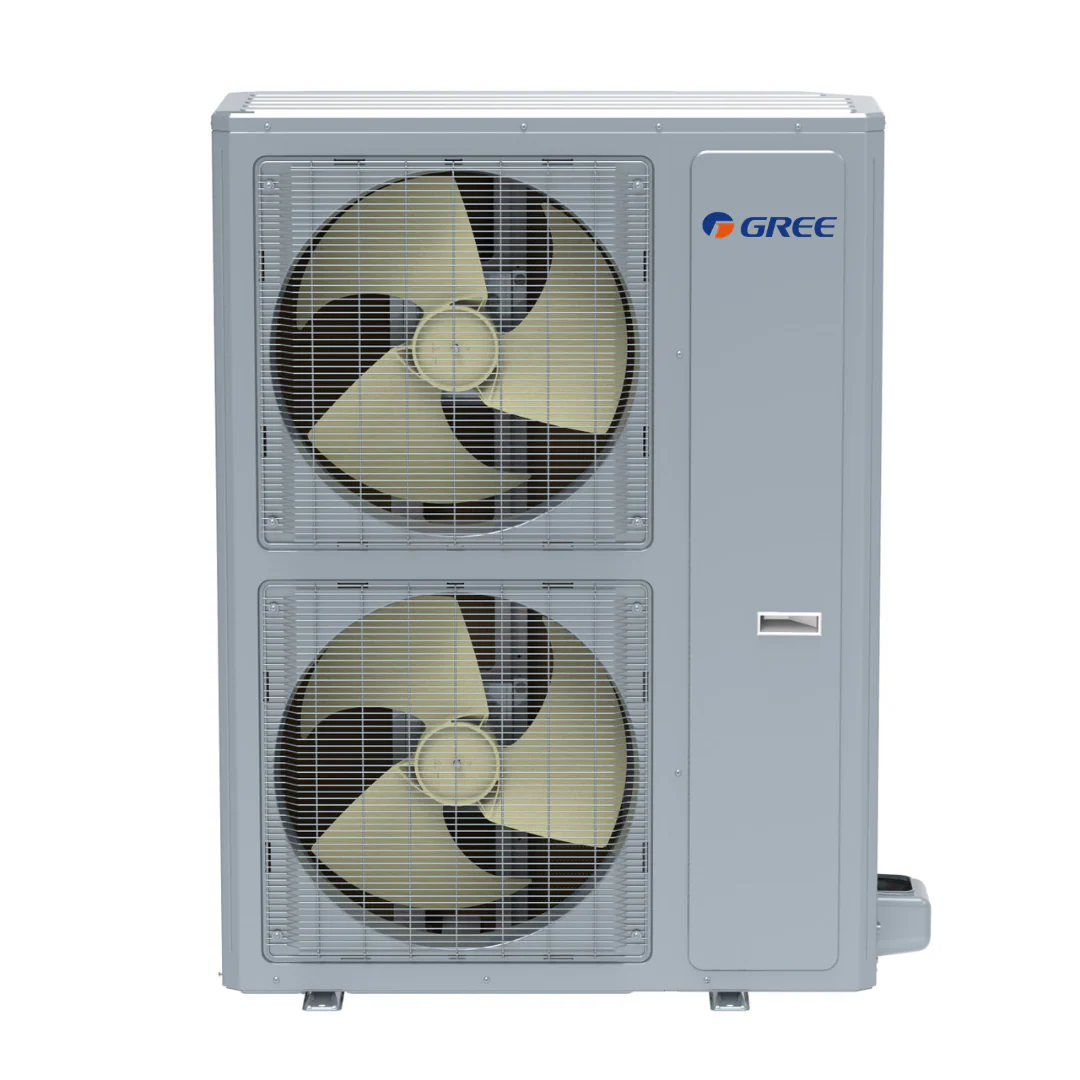
The Gree Flexx Ultra is a solid choice for homeowners prioritizing budget without sacrificing cold-climate performance. It's a ductless mini-split that delivers an impressive HSPF2 of 10–10.8, positioning it as a strong contender for efficient heating in colder regions. This unit is designed for climate zones 4A to 6, offering reliable warmth down to -4°F. With a typical installed price of $2,400–$4,500, it significantly undercuts premium brands while offering comparable efficiency. The Flexx Ultra uses R32 refrigerant, making it future-ready. However, be aware that Gree's dealer network can be sparse outside California and the Northeast, potentially leading to longer waits for warranty service.
Who it's for
This unit is ideal for a 1,200 sqft accessory dwelling unit (ADU) in zone 5A needing efficient heating and cooling without extending existing ductwork. Its capacity range of 0.75–1.5 tons fits well for smaller spaces, and the cold-climate certification ensures it won't struggle when temperatures drop. Another good fit is a homeowner in zone 4A looking to replace an aging electric resistance baseboard system in a sunroom or garage conversion. The Flexx Ultra provides a significant upgrade in efficiency and comfort, especially with its HSPF2 rating, at a manageable cost. Finally, consider this for a homeowner in zone 6 looking to supplement an existing oil furnace in a specific area of their home, like a finished basement or a second-story addition, where running new ducts is impractical. The unit's minimum operating temperature of -4°F means it will keep working when you need it most.
Real-world performance
The Gree Flexx Ultra's HSPF2 of 10–10.8 and SEER2 of 20–24 translate to substantial energy savings in real-world applications within climate zones 4A to 6. For a typical home in zone 5A, replacing a 90% AFUE gas furnace and SEER 14 AC with a Flexx Ultra could reduce annual heating costs by 30-50% and cooling costs by 20-30%, depending on electricity rates and insulation levels. This unit is inverter-driven, meaning it modulates its output to precisely match demand, avoiding the on/off cycling of older systems and maintaining more consistent indoor temperatures. Its minimum operating temperature of -4°F means it will continue to provide effective heating without relying on resistive backup in most cold snaps. Below -4°F, output will diminish, and supplemental heat will be necessary to maintain setpoint, but for the majority of heating hours in its rated climate zones, it’s designed to carry the load efficiently.
Installation notes
For a ductless mini-split like the Flexx Ultra, line-set length is crucial. While manufacturers specify maximums, aiming for shorter runs generally improves efficiency and reduces installation complexity. Indoor heads need careful placement for optimal air distribution and aesthetics; avoid placing them directly above frequently occupied areas if possible, as direct airflow can be uncomfortable. Outdoor units require specific clearances for proper airflow – check the manual for minimum distances from walls, other equipment, and vegetation. Ensure the outdoor unit is mounted on a solid, level pad or wall bracket to minimize vibration and noise. Permitting is almost always required for heat pump installations; expect to pull electrical and mechanical permits, and factor inspection times into your project schedule. First-time buyers are often surprised by the need for a dedicated electrical circuit for the outdoor unit, which might require an electrical panel upgrade.
Maintenance & warranty
Annual maintenance for the Gree Flexx Ultra typically costs $150–$300 and involves cleaning indoor unit filters and coils, checking refrigerant levels, inspecting electrical connections, and clearing the condensate drain line. Filters in the indoor heads should be cleaned monthly by the homeowner during peak use seasons to maintain airflow and efficiency. Coil cleaning, especially for the outdoor unit, might be needed every few years, depending on environmental factors. A sudden drop in performance or ice buildup on the outdoor unit could indicate a refrigerant leak, which requires professional attention. The standard warranty for the Flexx Ultra usually covers parts for 5 years and the compressor for 7-10 years, but this often requires professional installation by a licensed HVAC contractor and registration of the unit within a specified timeframe (e.g., 60-90 days). Failure to register or provide proof of annual professional maintenance can void warranty coverage.
Common complaints
Owners of the Gree Flexx Ultra occasionally report a louder defrost cycle compared to some premium brands, which can be noticeable if the outdoor unit is near a bedroom window. Some users have noted that the fan on the indoor head, even on its lowest setting, can be a bit more audible than expected in very quiet rooms. The biggest recurring complaint, however, centers around warranty service and dealer responsiveness. Due to a less extensive dealer network, particularly outside of the West Coast and Northeast, getting timely service or parts can be a weeks-long wait, which is frustrating when your primary heating or cooling system is down. Aesthetic concerns are minimal, but some find the indoor unit's design slightly less sleek than competitors.
Price context
The Gree Flexx Ultra's installed price of $2,400–$4,500 positions it as a highly competitive budget-friendly option. This is significantly less than a Mitsubishi Hyper Heat or Fujitsu Halcyon XLTH, which might run $4,000–$7,000 for a similar capacity single-zone system, despite the Flexx Ultra offering comparable HSPF2 ratings. It also often comes in below a Daikin Aurora, which typically falls in the $3,500–$6,000 range. The federal IRA §25C tax credit can cover 30% of the installed cost, up to $2,000, for this unit, making it even more attractive. While HEEHRA income-qualified programs are still rolling out, the Flexx Ultra's lower initial cost generally makes it a strong candidate for inclusion in such programs, as it helps meet affordability goals.
FAQ
- Can the Gree Flexx Ultra really heat my home effectively in sub-zero temperatures?
- Yes, the Flexx Ultra is cold-climate certified and rated for operation down to -4°F. Its inverter technology allows it to maintain a significant portion of its heating capacity even in very cold conditions. While its output might slightly decrease as temperatures approach its minimum, it's designed to be a primary heat source in climate zones 4A to 6 without constant reliance on supplemental heat during typical winter weather. For extreme cold spells below -4°F, a small backup heat source might be beneficial.
- Is the R32 refrigerant in the Flexx Ultra a concern for future servicing or availability?
- On the contrary, the use of R32 refrigerant is a forward-looking feature. R32 has a significantly lower Global Warming Potential (GWP) compared to the older R410A, making it more environmentally friendly. This aligns with upcoming regulatory changes, meaning R32 is likely to become the standard refrigerant for heat pumps. This ensures better long-term availability and potentially lower costs for refrigerant in the future, as R410A phases out.
- How does the Flexx Ultra's efficiency compare to a central ducted heat pump?
- With an HSPF2 of 10–10.8 and SEER2 of 20–24, the Flexx Ultra's efficiency is often on par with, or even exceeds, many central ducted heat pumps, especially those without cold-climate ratings. Ductless mini-splits inherently avoid duct losses, which can account for 10-30% of energy consumption in ducted systems. This makes the Flexx Ultra highly efficient for conditioning specific zones or rooms, though it's not designed to heat an entire large home via a single head.
- Given the sparse dealer network, what should I consider before purchasing for warranty support?
- Before purchasing the Gree Flexx Ultra, verify that you have at least one, preferably two, reputable local HVAC contractors who are experienced with Gree products and willing to perform warranty service. Ask about their typical response times for service calls. It's also wise to inquire about the availability of common replacement parts in your area. While the unit itself is robust, knowing you have reliable service access is crucial for peace of mind, especially with the reported potential for longer waits.