Quaternity
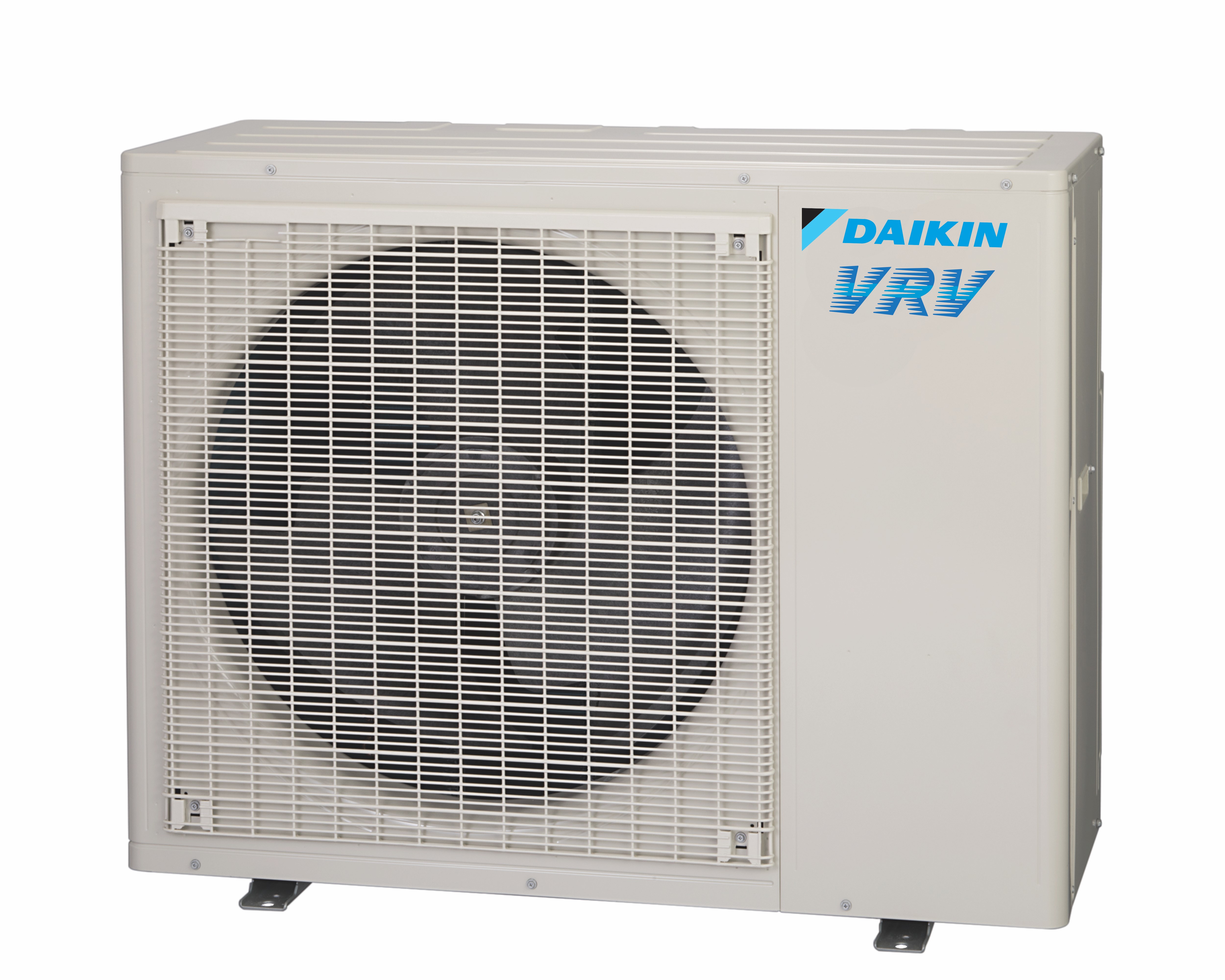
Summary
The Daikin Quaternity is a ductless mini-split designed for homeowners prioritizing superior dehumidification, particularly in humid climates. Its standout feature is its ability to run 20-30% lower humidity than typical heat pumps at the same setpoint, making it ideal for the Gulf Coast and Southeast. With an impressive SEER2 of 22–27 and HSPF2 of 9.8–10.8, it offers significant energy efficiency. The unit operates down to 5°F, making it cold-climate certified for zones 3A to 6. However, a key watch-out is its minimum operating temperature of 5°F; do not spec this unit for zones 6+ where sustained temperatures below this are common, as it will require supplemental heat.
Who it's for
Consider the Daikin Quaternity if you're in a humid climate like a 2,200 sqft home on the Gulf Coast (Zone 2A/3A) where summer comfort is often dictated by humidity, not just temperature. This unit's advanced dehumidification capabilities will make a noticeable difference in perceived coolness and air quality, potentially allowing for higher setpoints while maintaining comfort. Another good fit is a homeowner in a 1,500 sqft older home in the Southeast (Zone 3B/4A) with existing window AC units and no ductwork, looking to upgrade to a more efficient, whole-home solution that also tackles dampness. Finally, a small business owner with a 750 sqft office space in a mixed-use building in a city like Houston (Zone 2A) could benefit, providing precise climate control and superior dehumidification for employee comfort without the need for extensive ductwork, especially where the minimum operating temperature of 5°F is rarely a concern.
Real-world performance
The Daikin Quaternity's HSPF2 of 9.8–10.8 and SEER2 of 22–27 are strong numbers, indicating high efficiency across both heating and cooling cycles. In a typical 1,800 sqft home in Climate Zone 4A, this unit could lead to annual energy savings of 30-50% compared to a baseline of a 90% AFUE gas furnace and a SEER 14 AC. For heating, its HSPF2 rating means it extracts a lot of heat from outdoor air, even when it's chilly. Its cold-climate certification means it's designed to perform well in zones 3A to 6. Output holds strong until its minimum operating temperature of 5°F. Below 5°F, the unit's heating capacity will diminish significantly, and you'll need a reliable backup heat source. For instance, in Zone 6, while it will handle most of the heating load, be prepared for an auxiliary heat strip or existing furnace to kick in during the coldest stretches. Its inverter-driven compressor precisely matches output to demand, avoiding the energy waste of on/off cycling.
Installation notes
Ductless mini-splits like the Quaternity typically involve less invasive installation than ducted systems, but there are still key considerations. Line-set length is crucial; while the unit can accommodate decent runs, excessive length can impact efficiency and require additional refrigerant charge. Indoor head placement needs careful thought to ensure good air distribution and avoid direct drafts, especially since these units are often visible. Outdoor unit clearances are important for proper airflow and defrosting; ensure it's not too close to walls, fences, or foliage, and consider snow accumulation in colder areas. Expect to run a dedicated electrical circuit for the outdoor unit. Permitting is standard for HVAC installations; your installer will need to pull a permit, and the work will likely be inspected. First-time buyers are often surprised by the size of the outdoor unit relative to its capacity and the need for a condensate drain line, which must be properly sloped and routed.
Maintenance & warranty
Annual maintenance for the Daikin Quaternity typically costs $150–$300. This involves cleaning indoor coils, checking refrigerant levels, inspecting electrical connections, and clearing the condensate drain. For ductless units, regular cleaning of the indoor unit's filters, usually monthly, is critical for maintaining efficiency and air quality. Neglecting this can significantly reduce performance. Coil cleaning, especially the outdoor unit, should be part of the annual service. Listen for hissing sounds or a sudden drop in performance, which can indicate a refrigerant leak. The standard warranty typically covers 10 years on parts and compressor, sometimes 12 years if registered. Crucially, warranties are often voided if the system isn't installed by a licensed HVAC professional, isn't registered with Daikin within a specified timeframe (usually 60-90 days), or lacks proof of annual professional maintenance. Keep good records of all service appointments.
Common complaints
Owners of the Daikin Quaternity occasionally grumble about the aesthetics of the indoor head units, finding them somewhat bulky compared to sleeker designs from other brands, particularly in modern interiors. Noise, while generally low, can be a point of contention for some, especially the outdoor unit during defrost cycles in colder weather, which can produce a noticeable hum or whoosh. Dealer responsiveness and installation quality are common themes across all HVAC brands, and Daikin is no exception; some users report issues with specific contractors. While the dehumidification is praised, a few users have noted that achieving very low humidity levels can sometimes lead to the unit running more frequently than expected, slightly impacting very high-end efficiency in specific scenarios. The remote control interface, while functional, is sometimes described as less intuitive than competitors'.
Price context
The typical installed price for the Daikin Quaternity, including equipment and labor, ranges from $3 800–$5 400 for a single-zone system. This places it in the mid-to-high range for ductless mini-splits, reflecting its advanced features like superior dehumidification and R32 refrigerant. For comparison, a basic single-zone Fujitsu Halcyon might start closer to $3,000, while a high-end Mitsubishi Hyper-Heat system could easily push past $6,000, especially for multi-zone setups. The IRA §25C tax credit allows homeowners to claim 30% of the cost of qualified energy-efficient home improvements, up to $2,000 annually, for heat pumps meeting specific efficiency criteria (which the Quaternity typically does). HEEHRA income-qualified programs, offering up to $14,000 in rebates, often list NEEP ccASHP certified units, making the Quaternity a strong candidate for these programs, depending on specific state and local implementation details.
FAQ
- How much energy can I really save with a Daikin Quaternity, given its SEER2 and HSPF2 ratings?
- With a SEER2 of 22–27 and HSPF2 of 9.8–10.8, the Quaternity is highly efficient. In a climate zone like 4A, you could see annual heating and cooling costs reduced by 30-50% compared to older, less efficient systems. The precise savings depend on your home's insulation, local electricity rates, and how you set your thermostat, but these ratings indicate top-tier performance for minimizing energy consumption year-round.
- Is the Daikin Quaternity suitable for very cold winters, given its 5°F minimum operating temperature?
- The Daikin Quaternity is cold-climate certified for zones 3A to 6, meaning it's designed to provide effective heating down to 5°F. In zones where temperatures frequently drop below this, like parts of Zone 6, it will require a supplemental heat source to maintain comfort. It's not designed to be the sole heating solution in regions with sustained sub-5°F weather, so proper backup heating integration is essential.
- What makes the Quaternity's dehumidification better than other heat pumps?
- The Quaternity uses a unique 'hybrid' dehumidification process that can cool and dehumidify simultaneously without overcooling the space. It can achieve 20-30% lower humidity levels than typical heat pumps at the same setpoint. This is particularly beneficial in humid climates like the Gulf Coast, where high moisture content makes indoor air feel warmer and stickier, enhancing comfort significantly without excessive energy use for cooling.
- What is the typical installed price range for a Daikin Quaternity, and what does it include?
- The typical installed price for a single-zone Daikin Quaternity system ranges from $3 800–$5 400. This price generally includes the indoor unit, outdoor unit, line set, electrical connections, condensate drain, mounting hardware, refrigerant, labor for installation, and basic commissioning. Factors like line-set length, electrical panel upgrades, and specific installation challenges can influence the final cost.
Often compared with
- Fujitsu Halcyon
- Mitsubishi Hyper-Heat
- LG Red