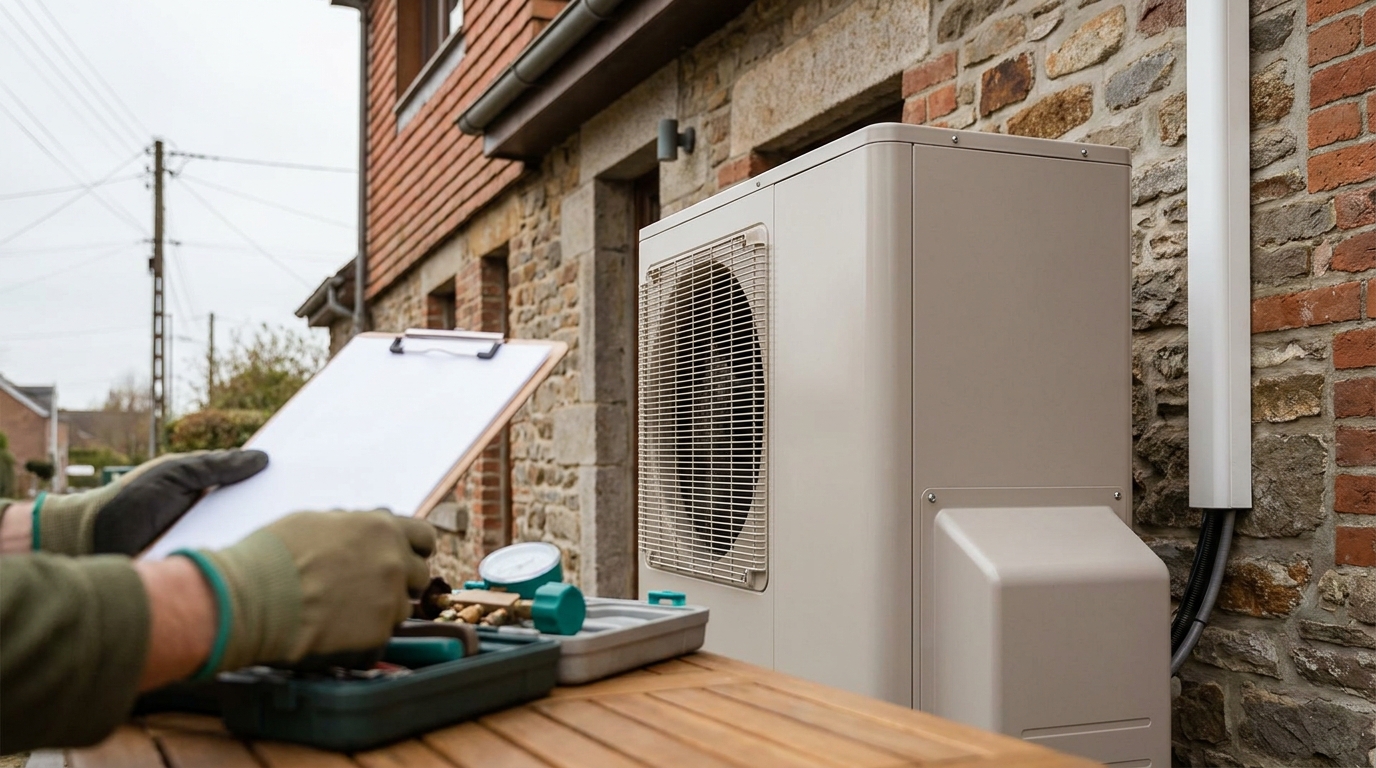
The Department of Energy (DOE) has issued updated guidance for the Home Energy Rebates Program, a substantial federal initiative providing $8.8 billion for home energy efficiency and electrification upgrades. This update, released on June 25, 2026, marks a significant step in clarifying how states and territories can access and distribute these funds, impacting homeowners planning upgrades.
Key changes in the guidance address several critical areas. Notably, the DOE has reinstated funding for energy-efficient upgrades, a move welcomed by many states eager to launch or expand their rebate programs. However, the guidance also introduces new stipulations regarding fuel switching incentives, potentially altering how homeowners approach replacing fossil fuel systems with electric alternatives like heat pumps. Specifically, the updated rules mandate that homes must undergo weatherization improvements prior to receiving rebates for HVAC upgrades, emphasizing a 'fabric first' approach to energy efficiency.
This renewed focus on weatherization aims to maximize the effectiveness of heat pump installations by reducing overall energy demand before introducing new heating and cooling systems. States like Massachusetts and New York, which have robust existing incentive programs, will need to align their implementation plans with these new federal directives. The Home Energy Rebates Program, authorized by the Inflation Reduction Act, includes two main components: the Home Efficiency Rebates (HOMES) program and the Home Electrification and Appliance Rebates (HEAR) program. The HOMES program offers rebates based on measured or modeled energy savings, while HEAR provides point-of-sale rebates for specific electric appliances and upgrades.
For homeowners, understanding these updated guidelines is crucial. The emphasis on weatherization means that projects like air sealing and insulation may become prerequisites for accessing heat pump rebates, potentially adding an initial step to the electrification process. The DOE's goal is to ensure that federal funds are used to achieve deep, lasting energy savings and to support a more efficient transition to electrified homes. States are now tasked with incorporating these revisions into their program designs and submitting them to the DOE for approval, with program launches expected to accelerate in the coming months.