XV20i (ComfortLink II)
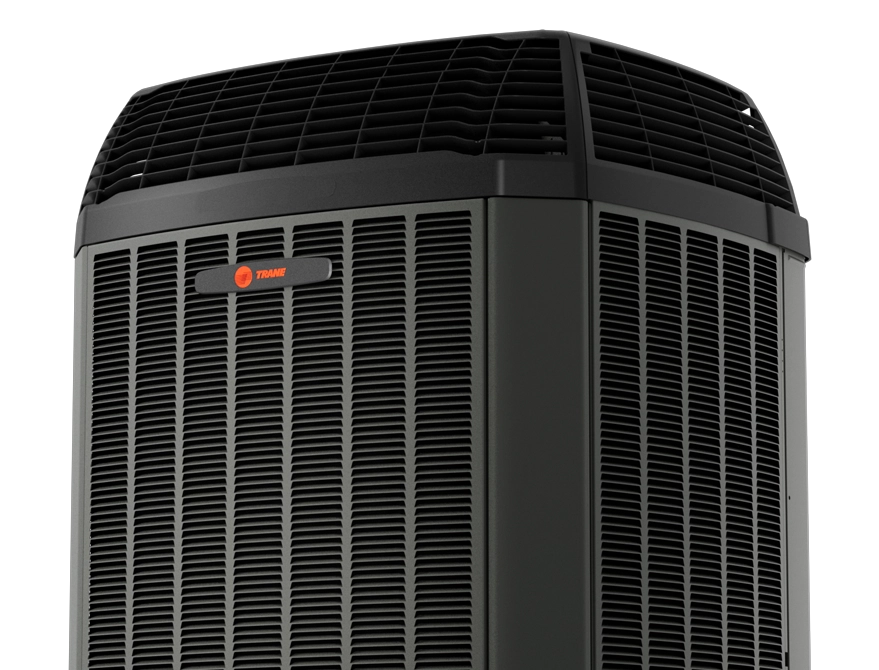
Summary
If you're in a mixed climate, from Climate Zone 1A to 5, and prioritize precise comfort and humidity control, the Trane XV20i (ComfortLink II) is a top contender. This ducted-central system excels at maintaining consistent temperatures and, with its variable-speed compressor, holds humidity tighter than many competitors, including Trane's own XV18. Its SEER2 of 20–22 and HSPF2 of 10–11 put it squarely in the premium efficiency bracket. The unit's minimum operating temperature of 0°F means it can handle a good chunk of winter heating without relying heavily on auxiliary heat. The main red flag to evaluate before committing is its reliance on proprietary ComfortLink II thermostats, which limits integration with third-party smart home systems.
Who it's for
This unit is ideal for a 2,500 sqft home in Climate Zone 4A, where summers are humid and winters see moderate cold snaps. The XV20i's variable-speed operation will keep the indoor humidity levels comfortable without overcooling, and its 0°F minimum operating temperature provides reliable heat for most of the season. Another fit is a new construction in Climate Zone 3B, aiming for high energy efficiency and superior indoor air quality. The system's capacity range of 2–5 tons covers most residential needs, and its premium performance aligns with high-efficiency build standards. Finally, consider it for an existing 3,000 sqft house in Climate Zone 5, currently using an aging furnace and a separate AC. The XV20i can replace both, offering significant energy savings and improved comfort, especially during shoulder seasons when precise temperature modulation is key.
Real-world performance
The HSPF2 of 10–11 and SEER2 of 20–22 on the Trane XV20i (ComfortLink II) translate directly into substantial energy savings. In Climate Zone 4, for example, a home replacing a 90% AFUE gas furnace and a SEER 14 AC could see annual heating and cooling costs drop by 30-50%. The variable-speed inverter-driven compressor means it's not just on or off; it modulates output to precisely match demand, avoiding temperature swings and reducing overall energy consumption. This unit maintains its heating capacity down to its 0°F minimum operating temperature, meaning most homes in Climate Zones 1A to 5 will rely on it for primary heating through much of winter. Only during sustained deep freezes below 0°F will the auxiliary heat kick in significantly, providing a robust heating solution for mixed climates.
Installation notes
Installing a Trane XV20i (ComfortLink II) involves considerations typical for a premium ducted-central system. Line-set length is crucial; while modern refrigerants and compressors are more forgiving, keeping runs within manufacturer specifications (often 50-75 feet without special considerations) ensures optimal performance and efficiency. For ducted systems, proper plenum design and static pressure management are paramount. An undersized or leaky duct system will severely hinder this unit's high-efficiency capabilities. Outdoor unit clearances are also standard – typically 6-12 inches from walls and adequate space for airflow, especially around the coil. Permitting is always required for HVAC replacements or new installs; expect inspections for electrical, refrigerant lines, and overall system installation. First-time heat pump buyers might be surprised by the larger footprint of the outdoor unit compared to older ACs or the need for a new electrical circuit, but these are standard for high-performance systems.
Maintenance & warranty
Annual maintenance for the Trane XV20i (ComfortLink II) typically runs $150-$300 and includes coil cleaning, checking refrigerant levels (R410A), inspecting electrical connections, and ensuring proper airflow. For ducted systems, regular filter changes (every 1-3 months depending on usage and filter type) are critical for efficiency and indoor air quality. Coil cleaning is important to prevent efficiency loss and potential refrigerant leaks, which can be indicated by reduced cooling/heating or ice formation. The Trane XV20i comes with a 10-year limited warranty on the compressor and parts, provided it's registered within 60 days of installation. Common warranty voiders include unregistered installation, lack of documented annual professional maintenance, and unauthorized repairs or modifications. Always keep records of your service appointments.
Common complaints
Owners of the Trane XV20i (ComfortLink II) occasionally voice concerns about the proprietary ComfortLink II thermostat, citing limitations in smart-home integration compared to more open platforms. While the unit itself is generally quiet, some users report the defrost cycle being noticeable, particularly in colder climates. Dealer responsiveness and quality of installation can also be a point of frustration, though this is more a reflection on the installer than the equipment itself. Aesthetic issues are rare, as the outdoor unit has a fairly standard, unobtrusive design. A few reports mention higher initial installation costs compared to single-stage units, but this is expected for a premium, variable-speed system like the XV20i.
Price context
The typical installed price of $9,000–$14,000 for the Trane XV20i (ComfortLink II) positions it at the higher end of the ducted-central heat pump market. This is comparable to other premium variable-speed units like the Lennox XP25 or the Carrier Infinity 24. While it's a significant investment, the high HSPF2 of 10–11 and SEER2 of 20–22 mean substantial long-term energy savings. The IRA §25C tax credit covers 30% of the installed cost, up to $2,000, for heat pumps meeting specific efficiency criteria, which the XV20i typically does. HEEHRA income-qualified programs generally prioritize more affordable, entry-level heat pumps, so the XV20i, being a premium model, might not be a primary candidate for those specific grants, though state and local incentives should always be checked.
FAQ
- What's the real benefit of the Trane XV20i's variable-speed compressor?
- The variable-speed compressor in the Trane XV20i (ComfortLink II) allows the unit to precisely match heating and cooling demand, rather than running at full blast or being off. This means more consistent temperatures, better humidity control (especially important in mixed climates), and significantly quieter operation. It also contributes directly to the high SEER2 of 20–22 and HSPF2 of 10–11, leading to lower energy bills because the system isn't constantly cycling on and off.
- Can I use a smart thermostat with the Trane XV20i (ComfortLink II)?
- The Trane XV20i (ComfortLink II) is designed to work with Trane's proprietary ComfortLink II thermostats. While these thermostats offer advanced features and system optimization, they generally have limited integration options with third-party smart home ecosystems like Google Home or Apple HomeKit. If deep smart home integration is a high priority, this is a watch-out you should discuss with your installer to understand any workarounds or limitations.
- How does the 0°F minimum operating temperature affect heating in colder climates?
- A 0°F minimum operating temperature means the Trane XV20i (ComfortLink II) can provide effective heating down to that outdoor temperature without relying heavily on its auxiliary heat source. For homes in Climate Zones 1A to 5, this covers a significant portion of the heating season. In areas with frequent temperatures below 0°F, the auxiliary heat (typically electric resistance or a gas furnace) will kick in more often, but for most mixed climates, the XV20i will handle the primary heating load efficiently.
- Is the R410A refrigerant in the Trane XV20i a concern for future regulations?
- The Trane XV20i (ComfortLink II) uses R410A refrigerant. While R410A is currently standard, there is a global phase-down of high-GWP refrigerants, with new equipment in the US transitioning to lower-GWP alternatives like R454B (Puron Advance) starting in 2025. This unit is compliant for sale and installation today, and R410A will remain available for servicing existing systems for many years. However, if you're looking for the absolute latest in refrigerant technology, you might consider models launching with newer refrigerants post-2024.
Often compared with
- Lennox XP25
- Carrier Infinity 24
- Bosch IDS 2.0 Premium