Endeavor Line (RP20)
Summary
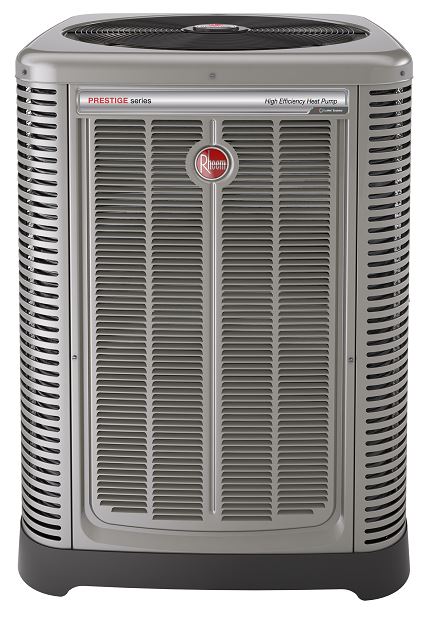
The Rheem Endeavor Line (RP20) is a solid pick for budget-conscious homeowners in climate zones 2A to 5 looking for a ducted-central system. Its standout feature is being one of the most affordable variable-speed options on the market, offering SEER2 ratings up to 20.5. This unit is designed for efficiency and comfort, leveraging R454B refrigerant for future-proofing. It delivers consistent performance down to its 0°F minimum operating temperature, making it a viable primary heating source in milder winter climates. However, a key watch-out is its lack of cold-climate certification; for colder parts of Zone 5 or anywhere below 10°F, you'll need a reliable gas or electric backup.
Who it's for
This unit is ideal for a 2,000 sqft suburban home in Climate Zone 3B (e.g., Atlanta, GA) where the existing split system AC and gas furnace are nearing the end of their service life. The homeowner wants to upgrade to a more efficient, all-electric system without breaking the bank, and the RP20's SEER2 up to 20.5 and HSPF2 up to 10.2 offer a significant efficiency jump over older units, providing substantial savings on utility bills. Another good fit is a 1,500 sqft tract home in Climate Zone 2A (e.g., Phoenix, AZ) where cooling is the primary concern, but some heating is still needed. The homeowner can benefit from the high SEER2 for cooling efficiency and the modest HSPF2 for occasional winter warmth, all while getting a variable-speed system at a competitive price. Finally, consider a 2,500 sqft house in Climate Zone 5 (e.g., Philadelphia, PA) with an aging furnace and AC. This homeowner is looking for an entry-level variable-speed heat pump to reduce their carbon footprint and save on energy costs, but plans to retain their existing gas furnace as a reliable backup for those colder stretches below 10°F, where the RP20's output might diminish.
Real-world performance
The Rheem Endeavor Line (RP20) with an HSPF2 of 9–10.2 and SEER2 of 18–20.5 translates to meaningful energy savings in the real world. For a typical home in Climate Zone 3, replacing a 90% AFUE gas furnace and SEER 14 AC with an RP20 could reduce annual heating and cooling costs by 25-40%, depending on electricity and gas prices. The variable-speed compressor means it can modulate output, providing consistent comfort and avoiding the 'on-off' cycling of single-stage units, which helps maintain tighter temperature control and reduce humidity. While its minimum operating temperature is 0°F, its heating capacity will naturally decrease as temperatures drop. In Climate Zone 4, it will handle most winter days comfortably as the primary heat source. However, in Climate Zone 5, especially when ambient temperatures dip below 10°F, the unit's output may not be sufficient to maintain setpoint without supplemental heat. This is where its lack of cold-climate certification becomes relevant; homeowners in colder parts of Zone 5 should plan to pair it with a gas furnace or electric resistance heat for reliable backup during extreme cold snaps.
Installation notes
Installing the Rheem Endeavor Line (RP20) as a ducted-central system generally follows standard HVAC practices, but there are a few points to consider. Since it's a variable-speed unit, proper sizing of the indoor coil and furnace/air handler is crucial for optimal performance and efficiency. The installer will need to ensure the existing ductwork can handle the airflow and static pressure requirements, especially if upgrading from an older, less efficient system. Line-set length is a common practical consideration; while modern heat pumps offer flexibility, excessively long runs can impact performance and require additional refrigerant charge. Outdoor unit clearances are important for proper airflow and defrosting; ensure it's not too close to walls, fences, or other obstructions. Permitting is always required for HVAC replacements; expect your installer to handle this, but be aware it adds to the project timeline. First-time heat pump buyers might be surprised by the slightly larger footprint of some outdoor units compared to older ACs, or the need for a condensate drain line if their old furnace didn't have one.
Maintenance & warranty
Annual maintenance for the Rheem Endeavor Line (RP20) is straightforward and critical for longevity and warranty compliance. Expect to pay around $150-$300 for a professional tune-up, which includes checking refrigerant levels, cleaning coils (both indoor and outdoor), inspecting electrical components, and ensuring proper operation. For ducted systems, replacing your air filter every 1-3 months, depending on usage and household conditions, is paramount. Dirty filters restrict airflow, reduce efficiency, and can lead to system strain. Coil cleaning, especially the outdoor unit, prevents debris buildup that hinders heat exchange. Refrigerant leaks are rare but indicated by reduced heating/cooling performance; a professional will diagnose and repair these. The RP20 typically comes with a 10-year parts warranty. Crucially, this warranty is often voided if the unit isn't registered with Rheem within a specific timeframe (usually 60-90 days post-installation) or if there's no documented annual professional maintenance. Always keep records of your service appointments.
Common complaints
Owners of the Rheem Endeavor Line (RP20) generally report satisfaction, but common complaints tend to orbit a few themes. Some users occasionally mention that the outdoor unit, while generally quiet due to its variable-speed compressor, can produce a noticeable hum or whirring sound during certain operational modes, particularly at higher loads or during defrost cycles. While not excessively loud, it can be more audible than older, single-stage units that simply turn on and off. Another point of contention can be dealer responsiveness and installation quality; as with any HVAC system, the performance often hinges on the expertise of the installing contractor. A few online reviews have touched on issues with specific control integrations or thermostat compatibility, highlighting the importance of a skilled installer to set up the entire system correctly. Aesthetic concerns are rare, but some find the outdoor unit's design to be somewhat utilitarian compared to sleeker, more premium brands.
Price context
The Rheem Endeavor Line (RP20) typically costs between $5,500 and $9,500 for equipment and labor, which positions it very competitively in the variable-speed ducted heat pump market. This price point often makes it a more budget-friendly option compared to premium brands like Bosch IDS 2.0 Premium or Carrier Greenspeed, which can easily push past $10,000 for similar capacity. It's generally comparable in price to other entry-level variable-speed units from brands like Goodman or Lennox's mid-tier offerings. The IRA §25C tax credit currently offers up to $2,000 for qualifying heat pumps, and the RP20's efficiency ratings (SEER2 18+, HSPF2 9+) mean it almost certainly qualifies, significantly reducing the net installed cost for homeowners. While HEEHRA income-qualified programs are still rolling out, the RP20's accessible price point means it's a strong candidate for inclusion in state-level rebate programs aimed at making efficient HVAC more affordable for a broader range of incomes.
FAQ
- What makes the R454B refrigerant in the Rheem RP20 'future-proof'?
- The R454B refrigerant used in the Rheem RP20 has a significantly lower Global Warming Potential (GWP) compared to the older R410A. This aligns with upcoming environmental regulations and phase-downs of high-GWP refrigerants. Choosing a unit with R454B means you're investing in a system that is less likely to face obsolescence or higher servicing costs due to refrigerant scarcity or regulatory changes in the future, providing long-term peace of mind for your ducted-central system.
- How does the RP20's variable-speed inverter technology benefit my home compared to a single-stage unit?
- The variable-speed inverter technology in the Rheem RP20 allows the compressor to modulate its output precisely to match your home's heating or cooling needs, rather than just cycling on and off. This results in much more consistent indoor temperatures, better humidity control, and quieter operation. It also improves efficiency, contributing to the high SEER2 of 18–20.5 and HSPF2 of 9–10.2, as the unit avoids the energy spikes associated with frequent starts and stops, ultimately saving you money on utility bills.
- Given its 0°F minimum operating temperature, how effective is the RP20 in colder climates like Zone 5?
- While the Rheem RP20 can operate down to 0°F, its heating capacity will decrease as temperatures approach that minimum. In Climate Zone 5, it will effectively handle most winter days as a primary heat source. However, for sustained periods below 10°F, its output might not be sufficient to maintain optimal comfort without supplemental heat. As it's not cold-climate certified, pairing it with a reliable backup heat source, such as a gas furnace, is highly recommended for homeowners in colder parts of Zone 5 to ensure consistent warmth during extreme cold snaps.
- What is the typical capacity range for the Rheem Endeavor Line (RP20), and how does that affect sizing?
- The Rheem Endeavor Line (RP20) is available in a capacity range of 1.5 to 5 tons. This broad range allows for precise sizing to match the heating and cooling load of most residential homes, from smaller cottages to larger family residences. Proper sizing by a qualified HVAC professional is crucial; an undersized unit won't keep up, while an oversized unit will short-cycle, reducing efficiency and comfort. The variable-speed compressor helps mitigate some of the issues of slight oversizing, but aiming for the right tonnage is still key for optimal performance and energy savings.
Often compared with
- Bosch IDS 2.0 Premium
- Goodman GSZB4
- Trane XR17