DIY 4th Gen Universal
Summary
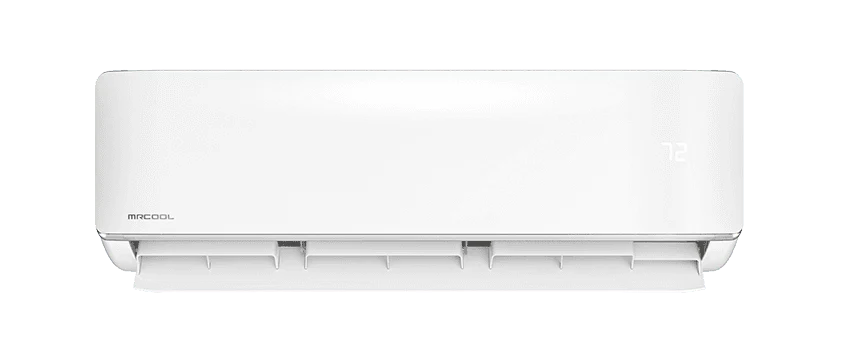
The MrCool DIY 4th Gen Universal is primarily for the homeowner who wants to install their own heat pump system without needing an HVAC license for the refrigerant side. Its standout feature is the pre-charged quick-connect line sets, making it the only legal DIY option for refrigerant hookup. With SEER2 ratings between 18 and 22, it offers solid efficiency for its price point. While the self-install feature saves on labor costs, a significant red flag is that DIY installations do not qualify for the federal 25C tax credit, which requires documentation from a licensed installer. Always check rebate fine print before committing.
Who it's for
Consider the MrCool DIY 4th Gen Universal if you're a homeowner in climate zones 3A to 5 looking to replace an aging window AC unit and electric baseboard heaters in a sunroom or garage conversion. Its ductless design and DIY installation make it ideal for spaces where running new ductwork is impractical or expensive, and you want to save on labor costs. Another scenario is a 1,200 sqft accessory dwelling unit (ADU) in climate zone 4A, where permitting for new HVAC might be simplified by a self-contained system. The 0.75-3 ton capacity range covers most smaller residential applications, offering flexible sizing. Finally, it's a fit for a handy homeowner in climate zone 5 who wants to add supplemental heating and cooling to a specific zone of their home, like an upstairs bonus room that struggles to maintain comfortable temperatures with the existing central system. The ability to install it yourself eliminates the hassle of scheduling and paying for a professional HVAC crew for a smaller project.
Real-world performance
The MrCool DIY 4th Gen Universal's HSPF2 of 9–10 and SEER2 of 18–22 indicate good efficiency for a ductless mini-split. In climate zones 3A to 5, you can expect noticeable energy savings compared to a baseline system. For instance, replacing a 90% AFUE gas furnace and a SEER 14 AC in a typical 1,500 sqft home in zone 4A could reduce your annual heating and cooling energy consumption by 20-40%, depending on electricity rates and specific usage patterns. The unit maintains decent heating output down to its minimum operating temperature of 5°F. Below 5°F, its efficiency and heating capacity will start to drop more significantly, meaning homes in colder parts of zone 5 or any zones beyond that will likely need a supplemental heat source, like electric resistance strips or an existing furnace, to maintain comfort during deep cold snaps. For most of its rated climate zones, however, it should handle the primary heating load effectively, especially above 15°F.
Installation notes
The biggest draw of the MrCool DIY 4th Gen Universal is its self-installability, largely due to the pre-charged quick-connect line sets. This eliminates the need for a vacuum pump and refrigerant handling, which typically requires an HVAC license. However, careful planning for indoor head placement is still crucial for optimal airflow and aesthetics, ensuring it doesn't blow directly onto seating areas. Outdoor unit clearances are standard – aim for at least 6-12 inches from walls and other obstructions for proper airflow and service access. While the refrigerant side is simplified, you'll still need to handle electrical wiring (often requiring a dedicated circuit, so consult an electrician) and secure the indoor and outdoor units properly. Permits are almost always required for HVAC installations, even DIY ones. Don't skip this step; check with your local building department. Many first-time heat pump buyers are surprised by the electrical requirements and the need for a properly sized concrete pad or wall bracket for the outdoor unit.
Maintenance & warranty
Annual maintenance for the MrCool DIY 4th Gen Universal is straightforward and can largely be done by the homeowner. Expect to spend about $50-$150 if you hire a pro for an annual check-up, or just your time if you DIY. This includes cleaning the indoor unit's filters (monthly or quarterly depending on use), washing the indoor coil, and ensuring the outdoor coil is free of debris. Watch for indicators of a refrigerant leak, like reduced cooling/heating performance or ice buildup on coils; while less likely with quick-connects, it's still possible. The warranty typically covers parts for 5 years and the compressor for 7 years, but specific terms can vary. Crucially, like most HVAC equipment, the warranty often requires proof of proper installation and regular maintenance. While DIY installation is a selling point, remember that for warranty claims, you might need to demonstrate that installation guidelines were followed precisely. Failure to register the unit after purchase or a lack of documented annual service can void parts of the warranty.
Common complaints
Owners of the MrCool DIY 4th Gen Universal occasionally grumble about the noise levels of the indoor unit, particularly on higher fan settings, though this is a common complaint across many mini-splits. Another pattern observed is the aesthetic bulkiness of the indoor heads, which can be a point of contention for those seeking a more discreet look. Some users report that the Wi-Fi connectivity and smart home integration can be finicky to set up or occasionally drop connection. While the DIY aspect is a major benefit, a few users have found the instructions less clear than anticipated, leading to minor installation frustrations. Finally, like many heat pumps, the defrost cycle behavior can sometimes be a bit noisy or noticeable, especially in colder climates.
Price context
The typical installed price for the MrCool DIY 4th Gen Universal, including equipment and labor, ranges from $1,800 to $3,800. This is notably lower than many professionally installed mini-splits from brands like Daikin or Fujitsu, which often start around $4,000-$5,000 for similar capacity, primarily due to the elimination of professional labor costs for refrigerant handling. However, it's critical to remember that DIY installations of the MrCool DIY 4th Gen Universal do not qualify for the federal IRA §25C tax credit, which requires a licensed contractor for installation. This can be a significant missed savings, potentially offsetting some of the DIY labor savings. State and local rebates vary; some may still allow DIY, but many follow the federal lead. HEEHRA income-qualified programs almost universally require professional installation and often specific AHRI-certified matched systems, making it unlikely this DIY unit would be listed.
FAQ
- Can I really install the MrCool DIY 4th Gen Universal myself without an HVAC license?
- Yes, the MrCool DIY 4th Gen Universal is specifically designed for DIY installation. Its pre-charged quick-connect line sets eliminate the need for specialized tools like vacuum pumps or gauges, and you don't need an HVAC license to handle the refrigerant side, as it's a sealed system until connected. You will still need to handle electrical wiring and ensure proper mounting, which may require an electrician or general contractor depending on local codes.
- Will the MrCool DIY 4th Gen Universal work in my cold climate?
- The MrCool DIY 4th Gen Universal is rated for climate zones 3A to 5, with a minimum operating temperature of 5°F. This means it will provide effective heating in many regions, but in areas that frequently drop below 5°F, its heating capacity will diminish, and you'll likely need a supplemental heat source to maintain comfort. It is not cold-climate certified on the NEEP ccASHP list.
- Does the MrCool DIY 4th Gen Universal qualify for the federal tax credit?
- No, DIY installations of the MrCool DIY 4th Gen Universal do not qualify for the federal IRA §25C tax credit. This credit requires that the equipment be installed by a licensed contractor, with documentation to prove it. While you save on labor costs by installing it yourself, you will miss out on the potential tax credit savings. Always verify specific rebate requirements before purchasing.
- What's the effective capacity range for the MrCool DIY 4th Gen Universal?
- The MrCool DIY 4th Gen Universal comes in a capacity range of 0.75 to 3 tons. This covers a broad spectrum of applications, from single rooms or small additions (0.75-1 ton) up to larger open-plan areas or small homes (2-3 tons). It's crucial to size the unit correctly for your specific space to ensure optimal efficiency and comfort, avoiding oversizing or undersizing.
Often compared with
- Pioneer Mini Split (DIY)
- Senville Aura (DIY-friendly options)